FIFA World Cup 2026 USA: A Guide to Host Cities, Stadiums, Things to Do & Travel Tips

The FIFA World Cup 2026 is more than the world’s biggest football tournament. It is one of the largest travel events ever hosted in North America. Millions of fans from around the world are visiting the United States to watch matches, experience iconic stadiums, and explore some of the country’s most exciting destinations.
With 11 U.S. host cities stretching from the East Coast to the West Coast, the tournament offers countless opportunities to combine match days with unforgettable travel experiences. Whether you are attending games in New York, Los Angeles, Dallas, Miami, Seattle, or another host city, you can extend your trip by exploring national parks, famous landmarks, museums, beaches, food scenes, and nearby attractions.
This comprehensive USA travel guide helps you plan every part of your World Cup journey. Inside, you will find host city information, stadium guides, transportation tips, suggested itineraries, accommodation advice, and the best things to do before and after each match. Whether you are traveling for a single game or following your team across multiple cities, this guide will help you make the most of your FIFA World Cup 2026 experience.
FIFA World Cup 2026 at a Glance
Everything you need to know before planning your World Cup trip.
| Information | Details |
| Tournament | FIFA World Cup 2026 |
| Dates | June 12 – July 20, 2026 |
| Host Countries | United States, Canada, Mexico |
| Total Teams | 48 National Teams |
| Total Matches | 104 |
| U.S. Host Cities | 11 |
| Final Venue | MetLife Stadium, New Jersey |
| Opening Match (USA) | SoFi Stadium, Los Angeles |
| Official Tournament Duration | 39 Days |
U.S. Host Cities for FIFA World Cup 2026
The United States hosts matches across 11 world-class cities, giving visitors the opportunity to experience different regions, cultures, cuisines, and attractions throughout the tournament. From sunny beaches in Florida to historic neighborhoods in Massachusetts and the Pacific Northwest’s natural beauty, every destination offers a unique travel experience beyond the stadium. Choose a host city below to learn more about stadium information, transportation, nearby attractions, accommodation, and local travel tips.

Atlanta, Georgia
Home to Mercedes-Benz Stadium, Atlanta blends modern entertainment with rich civil rights history, award-winning restaurants, and one of the world’s busiest airports. Visitors can explore the Georgia Aquarium, World of Coca-Cola, Centennial Olympic Park, and the vibrant BeltLine before or after attending a match.
Planning to attend a match in Atlanta? Read our complete FIFA World Cup 2026 in Atlanta guide for the full match schedule, stadium information, hotel recommendations, transportation tips, and local attractions.
Boston, Massachusetts
Boston combines Revolutionary War history with charming waterfront neighborhoods, world-famous universities, and one of the most walkable city centers in the United States. Beyond match day, visitors can stroll the Freedom Trail, visit Quincy Market, explore the Boston Harbor, or enjoy New England seafood.
Heading to Boston for the tournament? Explore our FIFA World Cu1p 2026 in Boston guide for Gillette Stadium details, where to stay, transportation advice, and the city’s top attractions.
Dallas, Texas
Dallas is known for its larger-than-life sports culture, modern skyline, excellent shopping, and legendary Texas barbecue. Visitors can pair their World Cup trip with visits to the Sixth Floor Museum, the Dallas Arts District, and nearby Fort Worth for an authentic Texas experience.
Planning your Texas football trip? Read our FIFA World Cup 2026 in Dallas guide for AT&T Stadium information, match schedules, hotel recommendations, and local travel tips.
Houston, Texas
Houston welcomes visitors with one of the most diverse food scenes in America, world-class museums, vibrant multicultural neighborhoods, and attractions like Space Center Houston. Its international atmosphere makes it an excellent destination for football fans traveling from around the world.
Visiting Houston during the World Cup? Explore our FIFA World Cup 2026 in Houston guide for NRG Stadium details, accommodation options, transportation, and must-see attractions.
Kansas City, Missouri
Kansas City is famous for its championship sports culture, legendary barbecue, live jazz, and welcoming Midwestern hospitality. Visitors can explore the historic Power & Light District, the National WWI Museum and Memorial, and enjoy one of America’s best food cities between matches.
Attending a match in Kansas City? Read our complete FIFA World Cup 2026 in Kansas City guide for GEHA Field at Arrowhead Stadium, travel tips, hotels, and local recommendations.
Los Angeles, California
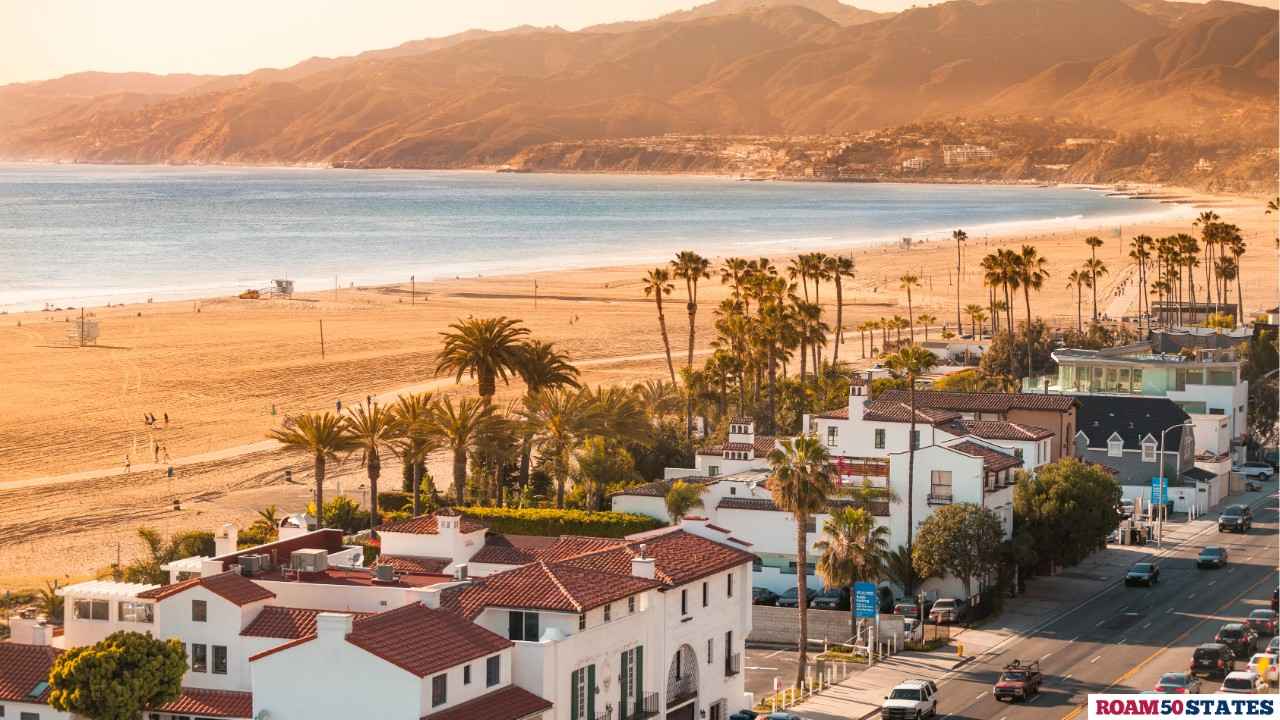
Los Angeles offers an unforgettable combination of football, entertainment, and coastal living. From Hollywood and Beverly Hills to Santa Monica, Venice Beach, and Universal Studios, visitors can experience some of California’s most iconic destinations while attending matches at SoFi Stadium.
Planning a World Cup trip to Southern California? Discover everything you need in our FIFA World Cup 2026 in Los Angeles guide, including stadium information, transportation, hotels, and nearby attractions.
Miami, Florida
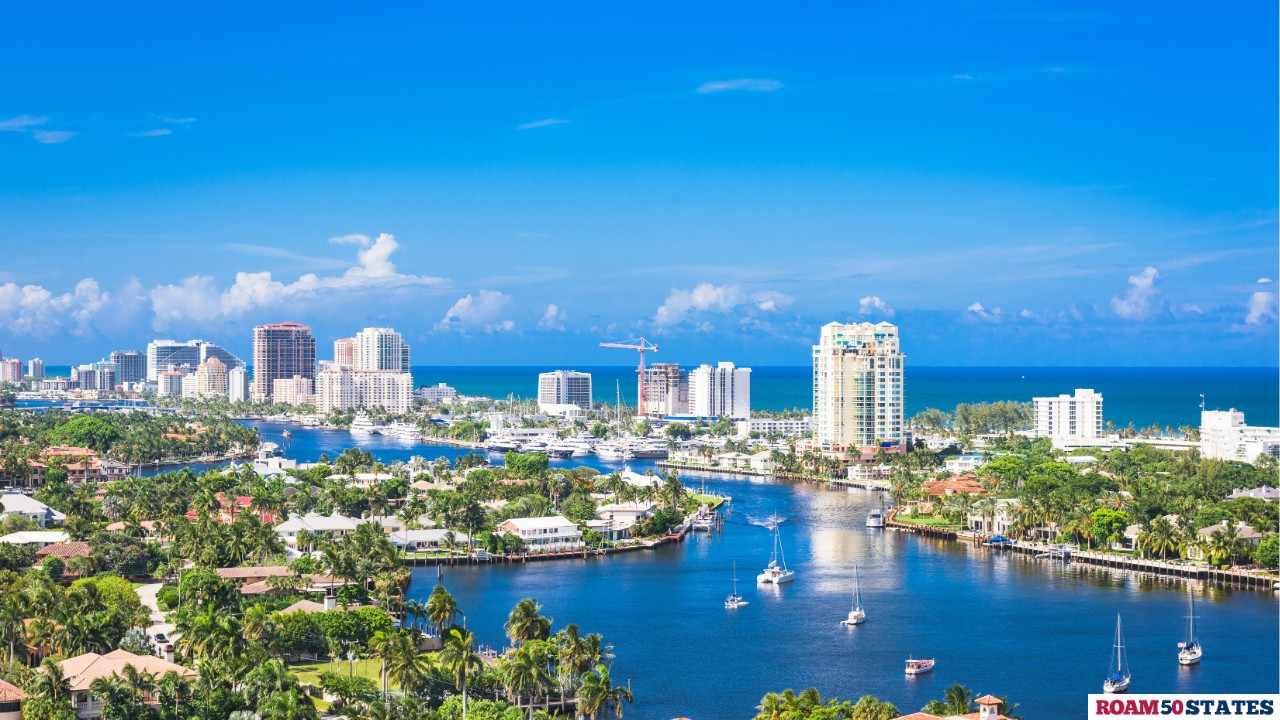
Miami brings together tropical beaches, Latin American culture, luxury resorts, vibrant nightlife, and year-round sunshine. Whether you’re relaxing on South Beach, exploring Little Havana, or enjoying waterfront dining, Miami delivers one of the tournament’s most energetic atmospheres.
Getting ready for Miami? Explore our FIFA World Cup 2026 in Miami guide for Hard Rock Stadium information, hotel recommendations, transportation tips, and the best places to visit.
New York / New Jersey
As the host region for the FIFA World Cup 2026 Final, New York and New Jersey offer an unmatched combination of iconic landmarks, Broadway shows, world-class museums, shopping, and international dining. Visitors can experience Times Square, Central Park, the Statue of Liberty, and Manhattan’s famous skyline while attending the tournament’s biggest matches.
Planning to witness the World Cup Final? Read our FIFA World Cup 2026 in New York/New Jersey guide for MetLife Stadium information, accommodation options, transportation, and local attractions.
Philadelphia, Pennsylvania
Philadelphia combines American history with a passionate sports culture, famous food markets, and walkable neighborhoods. Visitors can tour Independence Hall, see the Liberty Bell, climb the Rocky Steps at the Philadelphia Museum of Art, and enjoy an authentic Philly cheesesteak during their stay.
Visiting Philadelphia for the World Cup? Explore our FIFA World Cup 2026 in Philadelphia guide for Lincoln Financial Field details, hotel recommendations, transportation advice, and match-day planning.
San Francisco Bay Area, California
The San Francisco Bay Area offers one of the most diverse travel experiences of any host region. From the Golden Gate Bridge and Alcatraz Island to Silicon Valley, Napa Valley, and scenic coastal drives, visitors can combine world-class football with some of Northern California’s most iconic attractions.
Planning to attend matches at Levi’s Stadium? Read our FIFA World Cup 2026 in San Francisco Bay Area guide for match information, where to stay, transportation, and the region’s top attractions.
Seattle, Washington
Seattle delivers a FIFA World Cup experience unlike any other host city. Surrounded by Puget Sound, evergreen forests, and snow-capped mountains, the city blends world-class football with waterfront attractions, coffee culture, fresh seafood, and easy access to Mount Rainier National Park and other Pacific Northwest adventures.
Planning your Seattle World Cup trip? Explore our FIFA World Cup 2026 in Seattle guide for Lumen Field information, accommodation recommendations, transportation tips, and the best things to do before or after the match.
FIFA World Cup 2026 Stadium Guide
Every U.S. host stadium has been selected for its world-class facilities, excellent accessibility, and ability to deliver an unforgettable match-day experience. Beyond football, these venues are surrounded by restaurants, hotels, entertainment districts, and major attractions, making them ideal bases for exploring each destination.
The following stadiums will host FIFA World Cup 2026 matches across the United States.
Mercedes-Benz Stadium – Atlanta, Georgia
- Capacity: Approximately 75,000
- Known for its retractable roof and modern design.
- Located near downtown Atlanta with easy public transportation access.
- Close to Centennial Olympic Park, the Georgia Aquarium, and the World of Coca-Cola.
Gillette Stadium – Foxborough (Boston Host City)
- Capacity: Approximately 65,000
- Hosts World Cup matches for the Boston metropolitan area.
- Located between Boston and Providence.
- Surrounded by shopping, dining, and entertainment at Patriot Place.
AT&T Stadium – Arlington (Dallas Host City)
- Capacity: Over 80,000
- One of the largest stadiums in the United States.
- Famous for its giant video board and premium fan experience.
- Conveniently located near Dallas and Fort Worth attractions.
NRG Stadium – Houston, Texas
- Capacity: Approximately 72,000
- Features a retractable roof for comfortable match-day experiences.
- Located near the Texas Medical Center and several major hotels.
- Easily accessible by METRORail and major highways.
GEHA Field at Arrowhead Stadium – Kansas City, Missouri
- Capacity: Approximately 76,000
- One of the loudest stadiums in professional sports.
- Renowned for its passionate atmosphere and excellent tailgating culture.
- Located just east of downtown Kansas City.
SoFi Stadium – Los Angeles, California
- Capacity: Approximately 70,000+
- One of the newest and most technologically advanced stadiums in the world.
- Located in Inglewood near Los Angeles International Airport.
- Surrounded by shopping, entertainment, and major attractions.
Hard Rock Stadium – Miami Gardens, Florida
- Capacity: Approximately 65,000
- Home to the Miami Dolphins and one of the premier sports venues in the southeastern United States.
- Conveniently located between downtown Miami and Fort Lauderdale.
- Close to Miami Beach, Wynwood Walls, Little Havana, and Everglades National Park.
- Well connected by major highways, ride-share services, and shuttle routes during major events.
MetLife Stadium – East Rutherford, New Jersey (New York Host City)
- Capacity: Approximately 82,500
- Hosts the FIFA World Cup 2026 Final, making it the centerpiece of the tournament in the United States.
- Home to the NFL’s New York Giants and New York Jets.
- Located just minutes from Manhattan with convenient rail and bus connections.
- Nearby attractions include Times Square, Central Park, the Statue of Liberty, Broadway, and the Empire State Building.
Lincoln Financial Field – Philadelphia, Pennsylvania
- Capacity: Approximately 69,000
- Home of the Philadelphia Eagles and one of the East Coast’s premier sporting venues.
- Located within Philadelphia’s South Sports Complex alongside other major stadiums.
- Easily accessible via SEPTA public transportation.
- Nearby attractions include Independence Hall, the Liberty Bell, Reading Terminal Market, and the Philadelphia Museum of Art.
Levi’s Stadium – Santa Clara, California (San Francisco Bay Area Host City)
- Capacity: Approximately 68,500
- Home to the San Francisco 49ers and one of the most technologically advanced stadiums in the NFL.
- Located in the heart of Silicon Valley.
- Connected by Caltrain, VTA Light Rail, and major highways.
- Visitors can easily explore San Francisco, Silicon Valley, Napa Valley, Monterey, and the Pacific Coast during their stay.
Lumen Field – Seattle, Washington
- Capacity: Approximately 69,000
- Home of the Seattle Seahawks and widely recognized for its energetic crowd atmosphere.
- Located in downtown Seattle within walking distance of many major attractions.
- Excellent public transportation options include Link Light Rail, buses, ferries, and commuter rail.
- Nearby attractions include Pike Place Market, the Space Needle, Chihuly Garden and Glass, Seattle Waterfront, and Mount Rainier day trips.
Which Stadium Should You Visit?
Each FIFA World Cup 2026 stadium offers a unique match-day atmosphere and travel experience.
- Best for iconic landmarks: MetLife Stadium (New York/New Jersey)
- Best for entertainment: SoFi Stadium (Los Angeles)
- Best for football atmosphere: GEHA Field at Arrowhead Stadium (Kansas City)
- Best for technology and modern design: Mercedes-Benz Stadium (Atlanta)
- Best for beach vacations: Hard Rock Stadium (Miami)
- Best for Silicon Valley and scenic travel: Levi’s Stadium (San Francisco Bay Area)
- Best for Pacific Northwest adventures: Lumen Field (Seattle)
- Best for history lovers: Lincoln Financial Field (Philadelphia)
- Best for Texas experiences: AT&T Stadium (Dallas) and NRG Stadium (Houston)
- Best for New England visitors: Gillette Stadium (Boston)
No matter which venue you choose, each host stadium provides more than just football. They are gateways to some of the most popular cities, attractions, restaurants, and cultural experiences in the United States, making every match an opportunity to enjoy a memorable vacation.
Match Schedule by U.S. Host City
The United States is hosting 78 of the 104 matches during the FIFA World Cup 2026, including group-stage fixtures, knockout rounds, semifinals, and the final. Every host city offers a different tournament atmosphere, making it possible to plan your trip around both football and sightseeing.
| Host City | Stadium | Matches Hosted |
| Atlanta | Mercedes-Benz Stadium | 8 Matches |
| Boston | Gillette Stadium | 7 Matches |
| Dallas | AT&T Stadium | 9 Matches |
| Houston | NRG Stadium | 7 Matches |
| Kansas City | GEHA Field at Arrowhead Stadium | 6 Matches |
| Los Angeles | SoFi Stadium | 8 Matches |
| Miami | Hard Rock Stadium | 7 Matches |
| New York / New Jersey | MetLife Stadium | 8 Matches (including the Final) |
| Philadelphia | Lincoln Financial Field | 6 Matches |
| San Francisco Bay Area | Levi’s Stadium | 6 Matches |
| Seattle | Lumen Field | 6 Matches |
Tip: Before booking flights or accommodation, check your match venue and nearby attractions. Many visitors choose to stay several days before or after their match to experience each host city’s local culture, food, and landmarks.
Best Places to Stay During FIFA World Cup 2026
Accommodation demand increases significantly during the FIFA World Cup, especially in cities hosting knockout matches. Booking early gives you the best selection and pricing. Consider staying near public transportation to make traveling to and from the stadium easier.
Luxury Hotels
Luxury hotels provide premium amenities, concierge services, airport transfers, and convenient access to stadiums and downtown attractions. They are ideal for travelers seeking comfort and convenience during the tournament.
Mid-Range Hotels
Mid-range hotels offer excellent value with comfortable rooms, complimentary breakfast, parking, and easy access to public transportation. They are among the most popular choices for FIFA visitors.
Budget Hotels
Budget-friendly hotels and motels are available throughout every host city. Booking several weeks in advance can help secure better rates during the busy tournament period.
Vacation Rentals
Vacation rentals are ideal for families and larger groups. They often include kitchens, multiple bedrooms, and additional living space, making longer stays more affordable.
Hostels
Solo travelers and backpackers can reduce accommodation costs by staying in hostels, particularly in cities such as New York, Los Angeles, Seattle, Boston, and Miami.
Stay Near Public Transportation
Rather than staying next to the stadium, consider accommodation near metro stations, commuter rail, or major bus routes. This often provides better hotel options while making match-day travel much easier.
How to Travel Between FIFA World Cup Host Cities
The United States is geographically large, so planning transportation between host cities is essential. Depending on your itinerary, flights are usually the fastest option, while trains and rental cars work well for shorter regional trips.
Domestic Flights
Flying is the quickest way to travel between host cities such as Seattle, Los Angeles, Dallas, Houston, Miami, and New York. Most host cities have major international airports with frequent daily flights.
Amtrak Rail Network
Amtrak provides convenient rail service across several regions of the United States. It is particularly useful for travelers visiting Boston, New York, Philadelphia, and Washington, D.C., allowing easy travel without renting a car.
Rental Cars
Renting a car offers flexibility for travelers planning road trips or visiting nearby attractions beyond the tournament. It is especially practical in western states, where destinations are spread farther apart.
Public Transportation
Most host cities operate reliable public transportation systems, including subways, light rail, commuter trains, and buses. Purchasing daily or weekly transit passes can help reduce transportation costs during your stay.
Domestic Flights vs. Road Trips
If you are traveling between neighboring cities such as Dallas and Houston or New York and Philadelphia, driving may be the most convenient option. For cross-country journeys, domestic flights save significant travel time.
Transportation Budget Tips
- Book flights several weeks in advance whenever possible.
- Compare airport transfer options before arrival.
- Purchase transit passes for unlimited daily travel.
- Travel with carry-on luggage to reduce airline fees.
- Consider overnight transportation when appropriate to save on accommodation.
Discover More at Roam50States!

Christmas in San Francisco: Best Things to Do in 2026
Christmas in San Francisco brings festive lights, outdoor ice skating, holiday markets, decorated streets, and seasonal performances to one of…


Best Luxury Hotels in San Francisco: 8 Exceptional Places to
San Francisco offers a range of luxury hotels, from historic landmarks on Nob Hill to contemporary properties with panoramic views…

Sunset Neighborhood in San Francisco: A Complete Visitor’s Guide
The Sunset neighborhood in San Francisco offers a different perspective on the city, with Pacific Ocean beaches, independent cafes, diverse…

Best Christmas Lights in the USA: 15 Magical Places to
The best Christmas lights in the USA can turn an ordinary winter evening into one of the most memorable parts…

Best Christmas Cities in the USA: 12 Festive Places to
The best Christmas cities in the USA bring together festive lights, decorated streets, Christmas markets, holiday performances, seasonal food, shopping,…

Best Christmas Towns in the USA: 12 Festive Places to
Christmas can transform a small American town into something completely different. Historic main streets fill with lights, local shops decorate…
Things to Do Beyond the Matches
Watching a FIFA World Cup match is only part of the experience. Every host city offers iconic attractions, outdoor adventures, cultural landmarks, museums, and local food that can turn your football trip into an unforgettable American vacation.
Explore Famous Landmarks
Visit world-famous attractions such as Times Square, the Hollywood Sign, the Golden Gate Bridge, the Space Needle, Centennial Olympic Park, and the Liberty Bell while traveling between matches.
Experience America’s National Parks
Many travelers extend their trips by visiting national parks including Yosemite, Grand Canyon, Zion, Olympic, and Rocky Mountain National Park. These destinations showcase some of the country’s most spectacular natural scenery.
Discover Local Food Culture
Every host city has its own culinary identity. Enjoy Texas barbecue in Dallas and Houston, cheesesteaks in Philadelphia, Cuban cuisine in Miami, seafood in Seattle, deep-dish pizza near Chicago during side trips, and fresh Californian cuisine in Los Angeles and the Bay Area.
Visit Museums and Cultural Attractions
From the Smithsonian museums and the National Civil Rights Museum to world-renowned art galleries and science centers, there are countless educational experiences available throughout the United States.
Enjoy Beaches, Mountains, and Waterfronts
Relax on Miami Beach, hike near Seattle, explore Lake Tahoe from the Bay Area, or enjoy the Pacific coastline near Los Angeles. Many host cities provide excellent outdoor recreation alongside tournament activities.
Experience American Nightlife
After the matches, visitors can enjoy rooftop bars, live music venues, entertainment districts, breweries, casinos, and waterfront restaurants throughout the host cities.
Plan Regional Road Trips
Many host cities are located close enough to create memorable road trips. Popular options include:
- Boston → New York → Philadelphia
- Dallas → Houston
- Los Angeles → San Francisco Bay Area
- Seattle → Mount Rainier National Park
These routes allow visitors to experience more of the United States while following the tournament.
Budget Guide for FIFA World Cup Travelers
Planning your travel budget before arriving in the United States can help you enjoy the FIFA World Cup without unexpected expenses. Costs vary by host city, travel dates, and accommodation type, but careful planning can make your trip more affordable.
Accommodation Costs
Hotel prices increase significantly during the tournament, especially in cities hosting knockout matches and the final. Booking several weeks or months in advance often provides better rates. Budget-conscious travelers can also consider vacation rentals, hostels, or hotels located near public transportation instead of the stadium.
Transportation Budget
Domestic flights are the fastest way to travel between host cities, while trains and rental cars are practical for shorter regional trips. Purchasing public transportation passes can help reduce daily travel costs within major cities.
Food and Dining
Dining costs vary across the United States. Travelers can save money by mixing restaurant meals with food courts, local cafés, grocery stores, and street food. Many host cities also feature affordable food trucks and casual dining options.
Attraction and Sightseeing Costs
Most host cities offer both free and paid attractions. Parks, waterfronts, walking tours, museums on free-admission days, and public markets allow visitors to explore without spending heavily.
Souvenirs and Shopping
Official FIFA merchandise is available at stadiums and licensed stores. Purchasing souvenirs outside stadium areas or visiting local markets may provide more affordable options for gifts and memorabilia.
Money-Saving Tips
- Book hotels and flights as early as possible.
- Stay near public transportation instead of the stadium.
- Purchase city transit passes for unlimited daily travel.
- Compare prices before renting a car.
- Visit free attractions between match days.
- Travel with carry-on luggage whenever possible to avoid airline baggage fees.
Safety Tips for International Visitors
The United States welcomes millions of international visitors every year. Following a few practical safety tips will help you enjoy a smooth and worry-free FIFA World Cup experience.
Keep Important Documents Safe
Carry your passport, identification, travel insurance, hotel confirmations, and match tickets securely. Save digital copies on your phone and cloud storage as a backup.
Know Emergency Numbers
The national emergency number in the United States is 911 for police, fire, and medical emergencies.
Stay Aware in Crowded Areas
Host stadiums, transportation hubs, and tourist attractions can become very busy during the tournament. Keep personal belongings secure and remain aware of your surroundings.
Use Licensed Transportation
Choose official taxis, registered ride-sharing services, or public transportation instead of accepting rides from unofficial drivers.
Purchase Travel Insurance
Travel insurance can provide valuable protection against medical emergencies, trip delays, lost baggage, and unexpected cancellations.
Stay Hydrated and Prepare for the Weather
Weather conditions vary greatly across the United States. Some host cities experience hot and humid conditions, while others have cooler evenings. Drink plenty of water, wear comfortable clothing, and check local weather forecasts before attending matches.
Understand Local Tipping Culture
Tipping is customary in the United States. Restaurants typically expect a tip of 15-20%, while hotel staff, taxi drivers, and other service providers may also receive gratuities.
Protect Your Valuables
Avoid carrying large amounts of cash. Use hotel safes for passports and valuables when they are not needed during the day.
FIFA World Cup 2026 Packing Checklist
Packing the right essentials can make your World Cup trip more comfortable and enjoyable.
Essential Travel Documents
- Valid passport
- Visa or travel authorization (if required)
- FIFA match tickets
- Hotel reservations
- Flight confirmations
- Travel insurance documents
- Emergency contact information
Electronics
- Smartphone
- Phone charger
- Portable power bank
- Universal travel adapter
- Camera
- Headphones
Clothing
- Comfortable walking shoes
- Lightweight clothing
- Rain jacket or poncho
- Hat or cap
- Sunglasses
- Extra socks
- Light sweater for evening matches
Match-Day Essentials
- Refillable water bottle
- Sunscreen
- Stadium-approved clear bag (where required)
- Team jersey or fan gear
- Portable fan during summer matches
- Small first-aid kit
Personal Items
- Prescription medications
- Hand sanitizer
- Reusable shopping bag
- Travel pillow for longer journeys
- Reusable shopping bag for souvenirs
Essential Travel Apps for FIFA Visitors
Using the right mobile apps can make traveling across the United States much easier during the tournament.
Google Maps
Navigate cities, discover nearby restaurants, locate stadium entrances, and find public transportation routes.
Uber and Lyft
Ride-sharing services operate in most host cities and provide convenient transportation between hotels, airports, and stadiums.
Google Translate
Helpful for international visitors needing language assistance while traveling.
Airline Apps
Download your airline’s official app to receive gate updates, boarding passes, and flight notifications.
Public Transportation Apps
Many host cities provide official transit apps that offer real-time schedules, digital tickets, and route planning.
Weather Apps
Weather conditions vary between host cities. Checking local forecasts helps you prepare for outdoor matches and sightseeing.
Hotel Booking Apps
Accommodation apps allow travelers to manage reservations, check availability, and find last-minute lodging options if travel plans change.
Conclusion
The FIFA World Cup 2026 offers more than unforgettable football matches. It is a chance to experience the diverse landscapes, cultures, food, and attractions that make the United States one of the world’s top travel destinations. Whether you’re attending a single match or following your team across multiple host cities, thoughtful planning can help you make the most of your journey.
From world-class stadiums and iconic landmarks to scenic road trips and local experiences, every host city has something unique to offer. Use this guide to organize your itinerary, compare destinations, and discover memorable places beyond the tournament.
Download our FREE FIFA World Cup 2026 USA Travel Guide PDF for offline access to host city information, stadium guides, travel tips, and planning resources before your trip.
Frequently Asked Questions
Which U.S. cities are hosting the FIFA World Cup 2026?
The United States is hosting matches in Atlanta, Boston, Dallas, Houston, Kansas City, Los Angeles, Miami, New York/New Jersey, Philadelphia, the San Francisco Bay Area, and Seattle.
Which stadium will host the FIFA World Cup 2026 Final?
The FIFA World Cup 2026 Final will be played at MetLife Stadium in East Rutherford, New Jersey, which serves the New York metropolitan area.
How many matches are being played in the United States?
The United States is hosting 78 matches, including group-stage games, knockout rounds, semifinals, and the final.
What is the best way to travel between FIFA host cities?
Domestic flights are the fastest option for long-distance travel. Amtrak trains work well in the Northeast, while rental cars are ideal for regional road trips.
How much should I budget for a FIFA World Cup trip to the United States?
Your budget depends on the number of cities you visit, accommodation type, and travel style. Booking hotels and flights early can significantly reduce overall costs.
Which FIFA host city is best for first-time visitors?
Many first-time visitors choose New York/New Jersey, Los Angeles, Miami, or Seattle because they combine FIFA matches with famous attractions, excellent transportation, and a wide range of accommodation options.
Do I need to rent a car during the FIFA World Cup?
Not necessarily. Major host cities have reliable public transportation and ride-sharing services. A rental car is most useful if you plan to take road trips or visit attractions outside city centers.
Can I visit national parks during the tournament?
Yes. Many travelers combine FIFA matches with visits to national parks such as Yosemite, Grand Canyon, Olympic, Mount Rainier, and Rocky Mountain National Park.
What should I pack for the FIFA World Cup?
Bring comfortable walking shoes, lightweight clothing, sunscreen, a reusable water bottle, travel documents, a portable charger, and weather-appropriate gear for the cities you plan to visit.
Where can I buy official FIFA World Cup tickets?
Official match tickets should always be purchased through FIFA’s official ticketing platform or authorized sales channels to ensure authenticity.
Author

Discover more from Roam 50 States
Subscribe to get the latest posts sent to your email.