12 Best Things to Do in Maui, Hawaii

Maui, Hawaii, offers much more than beautiful beaches. You can watch the sunrise above the clouds at Haleakalā National Park, drive through the rainforest on the Road to Hāna, hike past waterfalls, snorkel in clear Pacific waters, and explore historic towns and small communities in Upcountry Maui.
The challenge is deciding what to include in your itinerary. Some of Maui’s best attractions are close to the island’s resort areas, while others require an early start and several hours of driving. A little planning helps you make the most of your trip without spending every day in the car.
This guide covers the best things to do in Maui, Hawaii, including famous attractions, outdoor activities, scenic drives, beaches, cultural experiences, and practical tips to help you plan your visit.
Quick Guide: What Should You Do in Maui?
| Experience | Best for | Time to allow |
| Visit Haleakalā National Park | Sunrise, volcanic scenery, hiking | Half a day or more |
| Drive the Road to Hāna | Rainforest, waterfalls, coastal scenery | Most of a day |
| Hike the Pīpīwai Trail | Waterfalls and bamboo forest | Half a day, plus driving |
| Relax at Maui’s beaches | Swimming when safe, sunbathing, sunsets | A few hours |
| Go snorkeling | Marine life and underwater scenery | A morning or half day |
| Visit ʻĪao Valley State Monument | Lush scenery and a short walk | Around 1–2 hours |
| Explore Lahaina respectfully | Historic West Maui and local businesses | A few hours |
| Discover Upcountry Maui | Small towns, farms, mountain views | Half a day |
| Look for humpback whales in season | Seasonal wildlife watching | A few hours |
| Enjoy Hawaiian cultural activities | Music, food, storytelling, traditions | An evening or longer |
| Sample local food | Regional flavors and local businesses | Flexible |
| Try a guided outdoor adventure | Paddling, surfing, horseback riding, or ziplining | Half a day |
Times are planning suggestions, not guaranteed travel times. Driving, weather, reservations, and the amount of time you spend at each stop can change your schedule.
1. Watch the Sunrise at Haleakalā National Park

One of the most memorable things to do in Maui is visit the summit of Haleakalā National Park. Rising to 10,023 feet above sea level, Haleakalā offers a striking landscape of volcanic terrain, expansive views, and changing colors across the sky.
Many visitors plan an early-morning trip to watch the sunrise from the summit. The experience requires an early departure, but the landscape is very different from Maui’s tropical coastline. If getting up before dawn does not appeal to you, consider visiting later in the day for summit views, short walks, or a sunset instead.
What to know before you go:
- Reserve sunrise access: A reservation is required to enter the summit area between 3 a.m. and 7 a.m. Reservations are available through the National Park Service’s official sunrise page, including releases up to 60 days in advance and a smaller batch two days before the visit.
- Bring warm layers: Summit temperatures can be dramatically colder than they are at sea level. Wind and weather can make the visit feel even colder.
- Plan for darkness: The drive to the summit takes place on a mountain road without streetlights. Allow enough time and avoid rushing.
- Respect the place: Haleakalā is culturally significant to Native Hawaiians. Follow posted rules and give cultural practices space.
Clouds and weather can change what you see, so sunrise is never guaranteed to deliver a clear view. Check park conditions before leaving and do not book the experience expecting a particular photograph.
Best for: Sunrise lovers, photographers, scenic drives, and travelers interested in volcanic landscapes.
Official planning resource: Haleakalā National Park.
2. Drive the Road to Hāna

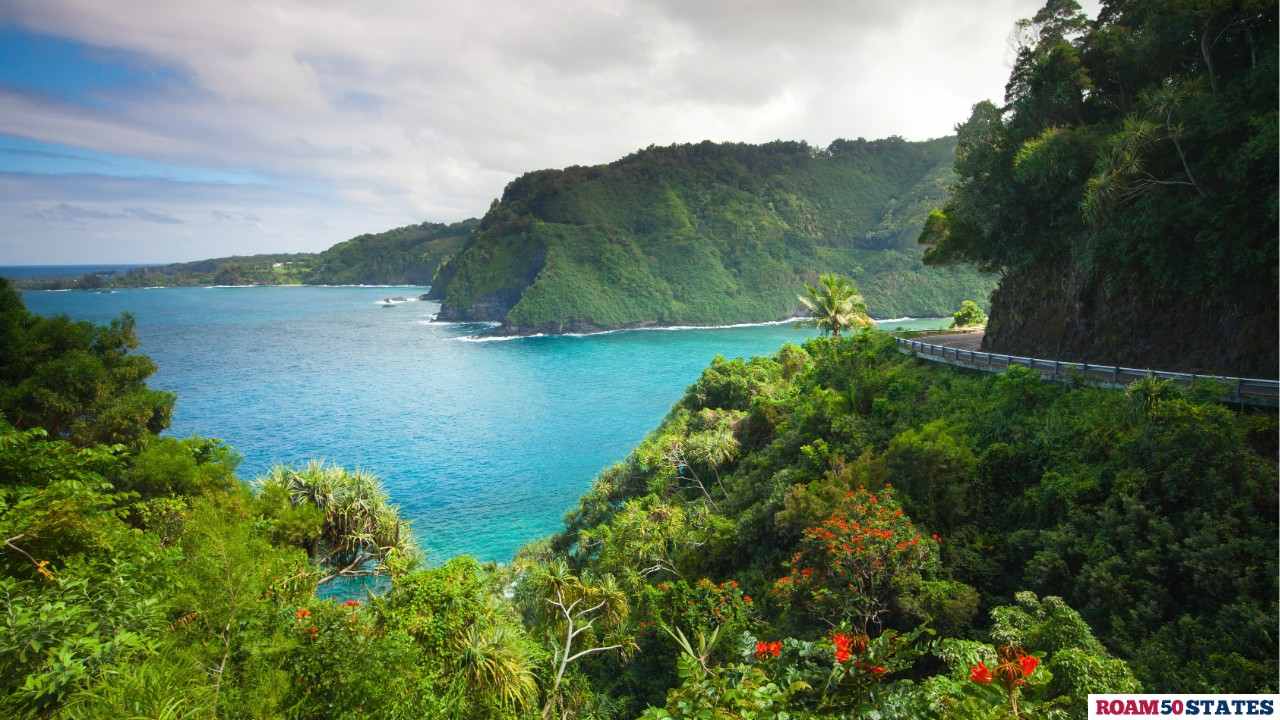
The Road to Hāna is one of Maui’s best-known scenic drives. The route follows the island’s northeastern coast through dense vegetation, mountain scenery, stream crossings, waterfalls, and stretches of coastline.
The drive is not simply about reaching the town of Hāna. Much of the experience comes from the journey, including roadside viewpoints and carefully chosen stops along the way.
However, this is not a drive to rush through. Narrow roads, curves, weather, and limited places to pull over can make progress slower than expected. Attempting to stop at every attraction can also turn an enjoyable day into a tiring one.
How to plan the drive:
- Start early enough to enjoy the route without feeling pressured to hurry.
- Choose a handful of stops that genuinely interest you instead of treating every roadside attraction as a must-see.
- Pull over only in designated, safe places. Never stop on the road to take photographs.
- Bring drinking water, snacks, and suitable walking shoes.
- Check road conditions and park notices before departure.
One worthwhile stop to consider is Waiʻānapanapa State Park, known for its volcanic coastline and black-sand beach. Nonresident visitors need advance entry and parking reservations. The official reservation system offers dates up to 30 days ahead, and late arrivals can be denied entry. Check the official Waiʻānapanapa reservation site before building it into your day.
Is the Road to Hāna worth it? It is a good fit for travelers who enjoy scenery, nature, and a full day of exploring. It may be less appealing to anyone who dislikes winding roads or prefers to spend most of the day relaxing at one beach.
Best for: Scenic drives, rainforest views, photography, and travelers who enjoy exploring at a slower pace.
3. Hike the Pīpīwai Trail in Haleakalā National Park

For travelers who want to see more than Maui’s coast, the Pīpīwai Trail offers a different view of the island. Located in the park’s Kīpahulu District near Hāna, the trail passes through forest and bamboo before reaching the area near Waimoku Falls.
The full hike is about four miles round trip. It is moderately strenuous, and trail surfaces can be uneven, muddy, or slippery. Sturdy footwear, drinking water, rain protection, and enough daylight are important.
If you want a shorter walk, the National Park Service describes a route to the Makahiku Falls overlook that is about one mile round trip. That may suit visitors who want a taste of the trail without committing to the full hike.
Important: The Kīpahulu District is remote, and there are no gas stations or food services in the park. Fill your tank and bring supplies before arriving. The National Park Service also warns against entering or wading in streams because flash floods and rockfalls can occur. The Pools of ʻOheʻo are not open for swimming or entry; view the area from designated safe trails instead.
Because the Kīpahulu District is accessed along the Hāna Highway, plan your driving and hiking together. Do not assume you can finish a long hike and then complete an ambitious list of stops before dark.
Check current trail status on the National Park Service hiking page and review Kīpahulu District visitor information.
Best for: Hikers, nature lovers, waterfall scenery, and travelers spending a full day in East Maui.
4. Spend Time at Maui’s Beaches

Maui has beaches for different kinds of trips, from resort-area relaxation to long stretches of sand and family beach days. Choose a beach based on where you are staying, current ocean conditions, and whether you want to swim, snorkel, walk, or simply enjoy the view.
Here are several areas to consider:
Kāʻanapali Beach
Located in West Maui, Kāʻanapali is known for its long sandy shoreline and nearby resort area. It is convenient for visitors staying on the west side who want to combine a beach day with nearby restaurants and shops.
Wailea Beach
Wailea Beach in South Maui is a popular option for a relaxed beach outing. It sits beside resort properties and has an attractive sandy shoreline, making it a natural choice for visitors based in Wailea.
Kamaʻole Beach Parks
The Kamaʻole beaches in Kīhei offer accessible options for a few hours by the water. They can be useful stops for visitors exploring South Maui, although facilities and ocean conditions vary by location.
Mākena Beach
Mākena is worth considering if you want a broad stretch of coastline and scenic views. Do not assume that a beautiful beach is automatically safe for swimming, particularly when waves are large or currents are strong.
Beach safety matters: Conditions can change quickly, even on a sunny day. Check posted warnings, pay attention to lifeguards, and stay out of the water when surf or currents are dangerous. For official advice, use Hawaiʻi Ocean Safety’s beach and ocean safety resources.
Best for: Couples, families, beach lovers, and travelers looking for a less demanding day between major excursions.
5. Go Snorkeling in Maui

Snorkeling is a popular Maui activity because visitors can explore underwater scenery without booking a full scuba-diving experience. Depending on weather and ocean conditions, travelers can consider guided boat excursions or suitable shore-based locations.
Some visitors look into trips to Molokini Crater, while others prefer to explore coastal snorkeling areas closer to where they are staying. The right choice depends on your swimming ability, the day’s conditions, your budget, and whether you would rather join a guided trip.
Do not choose a location solely because it is famous on social media. Hawaii’s official ocean-safety guidance warns that snorkeling can be dangerous, especially when high surf, strong currents, heavy shorebreak, or poor visibility are present.
Before getting into the water:
- Be an experienced ocean swimmer and snorkel with a buddy.
- Check ocean conditions and ask lifeguards for advice where available.
- Avoid murky water, strong currents, and hazardous shorebreak.
- Use properly fitted equipment and consider a suitable flotation aid.
- Never stand on coral, touch marine life, or feed wild animals.
If you are not confident in the ocean, a guided activity with a reputable operator may help you understand the equipment and conditions. It does not remove the risks, so follow the operator’s advice and skip the activity when conditions are unsuitable.
For current precautions, read Hawaiʻi’s official snorkeling safety guidance.
Best for: Ocean lovers and confident swimmers who want to explore Maui’s marine environment.
6. See ʻĪao Valley State Monument

If you want a scenic stop without committing to a long drive around the island, consider ʻĪao Valley State Monument near Wailuku.
The valley is known for its lush mountain landscape and the distinctive ʻĪao Needle. Visitors can enjoy the scenery from designated viewpoints and follow the park’s short walking route, the ʻĪao Needle Lookout Trail and Ethnobotanical Loop.
This visit works well as a shorter excursion, especially if you are spending time in Central Maui. It can also fit into a day that includes Wailuku or other nearby stops.
Reservation reminder: Nonresident visitors must book entry and parking in advance through the official Hawaiʻi State Parks page. Check the latest notices for maintenance work, access limits, or temporary closures before visiting.
Best for: Scenic viewpoints, short walks, nature photography, and visitors with limited time.

Christmas in San Francisco: Best Things to Do in 2026
Christmas in San Francisco brings festive lights, outdoor ice skating, holiday markets, decorated streets, and seasonal performances to one of…


Best Luxury Hotels in San Francisco: 8 Exceptional Places to
San Francisco offers a range of luxury hotels, from historic landmarks on Nob Hill to contemporary properties with panoramic views…

Sunset Neighborhood in San Francisco: A Complete Visitor’s Guide
The Sunset neighborhood in San Francisco offers a different perspective on the city, with Pacific Ocean beaches, independent cafes, diverse…

Best Christmas Lights in the USA: 15 Magical Places to
The best Christmas lights in the USA can turn an ordinary winter evening into one of the most memorable parts…

Best Christmas Cities in the USA: 12 Festive Places to
The best Christmas cities in the USA bring together festive lights, decorated streets, Christmas markets, holiday performances, seasonal food, shopping,…

Best Christmas Towns in the USA: 12 Festive Places to
Christmas can transform a small American town into something completely different. Historic main streets fill with lights, local shops decorate…
7. Explore Lahaina Respectfully

Front Street reopened to vehicle traffic on August 1, 2026, marking an important step in Lahaina’s recovery following the devastating 2023 wildfires. However, the reopening does not mean that every business or historic site has returned. Check local updates before visiting, follow posted restrictions, stay outside fenced-off areas, and support businesses that are currently open.
Lahaina is an important historic town in West Maui, and visiting thoughtfully means recognizing that this is a living community continuing to recover and rebuild. Before planning a stop, confirm that the locations you want to visit are open and accessible. Conditions and access arrangements may change as recovery work continues.
If you visit, consider supporting local businesses that are welcoming customers. Respect residents’ privacy, avoid entering restricted areas, and do not treat damaged properties or recovery sites as photo opportunities.
For current local information, check Maui County’s official recovery updates.
Best for: Travelers interested in local history and community businesses who are prepared to visit with sensitivity and respect.
8. Explore Upcountry Maui

Upcountry Maui offers a change of scenery from the island’s popular coastal resorts. On the slopes of Haleakalā, the area includes communities such as Makawao and Kula, with countryside views, local businesses, and a more rural feel.
Makawao is a good place to slow down and explore small-town streets, browse shops, or stop for a meal. In the surrounding Upcountry area, travelers may find farms, gardens, and agricultural experiences that offer a different perspective on Maui.
This area can be a rewarding addition to a trip focused heavily on beaches. It also pairs naturally with a daytime visit to Haleakalā, provided you leave enough time for driving and any planned activities.
Do not assume every farm or attraction accepts walk-in visitors. Check opening hours, tour schedules, and booking requirements before setting out.
Best for: Travelers who enjoy small towns, countryside views, local products, and a break from resort areas.
9. Look for Humpback Whales During Whale Season

During the winter whale season, Maui becomes a popular base for travelers hoping to see humpback whales in Hawaiian waters. Sightings are never guaranteed, but a whale-watching trip can be a memorable addition to a seasonal visit.
Boat tours operate from parts of Maui’s coast, and the experience varies by operator, vessel, sea conditions, and wildlife activity. Compare departure locations and trip length before booking. If you prefer not to go out on a boat, coastal viewpoints may also offer opportunities to look for activity offshore.
Choose a responsible operator that follows wildlife-viewing rules and maintains appropriate distances from marine animals. Never attempt to touch, chase, or approach a whale yourself.
This is a seasonal activity, so check current whale-watching information and trip availability for your dates instead of assuming sightings will be reliable year-round.
Best for: Wildlife enthusiasts, photographers, and visitors traveling during whale season.
10. Experience Hawaiian Culture

Maui’s appeal is not limited to outdoor scenery. Cultural activities can help visitors learn about Hawaiʻi’s history, music, dance, food, and traditions.
One option is to attend a lūʻau that includes food, storytelling, and performances. Compare the emphasis of each event, the menu, location, and what is included in the ticket rather than choosing on price alone.
You can also look for cultural demonstrations, local museums, community events, and educational programs. Approach these experiences with curiosity and respect, and remember that Hawaiian culture is living and diverse, not just entertainment for visitors.
Avoid removing rocks, plants, or other natural and cultural materials from protected places. Follow site rules and give people practicing cultural traditions privacy and space.
Best for: First-time visitors, families, couples, and travelers who want a deeper understanding of Hawaiʻi.
11. Try Maui’s Local Food and Markets

Food is another way to explore Maui beyond its beaches. Local restaurants, markets, and food businesses offer opportunities to discover regional ingredients and dishes alongside familiar meals.
Depending on where you are staying, set aside time for a market visit, a casual local lunch, a food-focused tour, or dinner at a restaurant that highlights Hawaiʻi Regional Cuisine. Trying local food can also help you explore areas beyond the major resort zones.
Markets and food businesses may operate on particular days or limited schedules, so check current information before making a special trip. If you have dietary needs, confirm ingredients and preparation methods with the business directly.
Rather than planning every meal around a resort, consider reserving a few meals for locally owned businesses that fit your route.
Best for: Food lovers, curious travelers, and anyone who enjoys discovering a destination through its local businesses.
12. Choose a Guided Outdoor Adventure

If you want to do more than sightseeing, Maui offers guided outdoor activities such as surfing lessons, paddling, kayaking, horseback riding, ziplining, and scenic flights. Availability depends on the operator, weather, and season.
Choose an activity that matches your comfort level and the amount of time you have. For example, a beginner surfing lesson may suit someone who wants a structured introduction to the ocean, while a scenic flight may appeal to visitors who want broad views without a long hike.
Before booking, check what is included, how long the activity takes, the cancellation policy, minimum age or fitness requirements, and whether the operator supplies necessary equipment. For water-based adventures, pay particular attention to safety procedures and weather-related cancellation policies.
You do not need to book an activity every day. A balanced itinerary that mixes a guided experience with quieter beach time often leaves more room to enjoy the island.
Best for: Active travelers, families choosing age-appropriate activities, and visitors looking for a guided experience.
Important: Explore More Hawaii Travel Guides by Roam50Staets
How Many Days Do You Need in Maui?
The right length of stay depends on whether you want a relaxed beach holiday or a trip filled with hikes, scenic drives, and excursions. These sample plans can help you choose.
If You Have 3 Days in Maui
Day 1: Beach and South or West Maui
Spend your first day near your accommodation. Enjoy a beach, explore the local area, and leave time for a relaxed meal rather than scheduling a long drive immediately after arrival.
Day 2: Haleakalā or Upcountry Maui
Choose the summit experience that suits your plans. If sunrise is a priority, secure the required reservation and prepare for cold, early-morning conditions. Otherwise, plan a daytime visit and explore nearby Upcountry communities.
Day 3: Choose one main excursion
Decide between a day on the Road to Hāna, a hiking-focused day, or a snorkeling excursion. These experiences require different amounts of time, so it is usually better to do one well than attempt all of them in a single day.
If You Have 5 Days in Maui
A five-day stay gives you more room to explore without packing every activity into consecutive long days.
| Day | Suggested plan |
| 1 | Settle in, explore your nearby beach, and enjoy local food |
| 2 | Visit Haleakalā and explore Upcountry Maui |
| 3 | Drive the Road to Hāna, with selected stops and any required park reservation |
| 4 | Choose snorkeling, a guided adventure, or a beach day |
| 5 | Explore ʻĪao Valley or West Maui, checking current access and opening information |
This itinerary is a starting point, not a fixed route. If you are staying in South Maui, West Maui, or another part of the island, adjust the order to reduce unnecessary driving. Keep the Road to Hāna and the Kīpahulu hikes in the same general excursion only if your schedule, stamina, daylight, and road conditions make it realistic.
Plan Your Maui Adventure
Find hotels, compare flights, discover exciting tours, and arrange everything you need for your Maui vacation.
Some links on this page are affiliate links. If you book through them, Roam 50 States may earn a commission at no additional cost to you.
Practical Tips for Planning Your Maui Trip
A little preparation can make a significant difference to your visit.
Book popular experiences in advance
Sunrise access at Haleakalā requires a reservation, and popular state parks such as Waiʻānapanapa and ʻĪao Valley have advance booking requirements for nonresidents. Confirm current rules directly with the official operator or park before your trip.
Plan by region, not by attraction count
Maui’s attractions are spread across the island. Group nearby places together and check actual driving routes, rather than assuming several destinations can be visited quickly because they look close on a map.
Check weather, road conditions, and closures
Rain, high surf, flash floods, falling rocks, maintenance work, and other conditions can affect access. Recheck official notices shortly before leaving, especially for a remote drive or hike.
Bring the right supplies
Keep water, sunscreen, snacks, suitable walking shoes, and a light rain layer available for outdoor excursions. For Haleakalā’s summit, bring warm clothing. For remote sections of East Maui, make sure you have enough fuel and supplies before setting out.
Respect wildlife and the natural environment
Stay on designated paths, do not feed or touch wild animals, avoid stepping on coral, and carry out your rubbish. At coastal sites, keep a safe distance from waves and unstable cliffs.
Support communities thoughtfully
Follow local guidance in places still recovering from the wildfires, respect restricted areas, and check that attractions and businesses are open before visiting. A thoughtful trip considers not just what visitors can see, but also the residents and environments that make Maui special.
Budget for High Island Premiums
Maui is often the most expensive Hawaiian island, so shop at local grocery stores (like Foodland or Costco near the airport) for fresh poke and snacks to offset pricey restaurant meals.
Plan Your Trip Budget Now!
Estimate your travel costs before you go. Use our free Travel Budget Calculator to plan your accommodation, food, transportation, activities, and other trip expenses.
Use USA Travel Budget CalculatorFinal Thoughts
The best things to do in Maui depend on the kind of trip you want. Visitors who love outdoor adventure may prioritize Haleakalā, the Road to Hāna, and the Pīpīwai Trail. Those looking for a slower holiday can spend more time at the beaches, explore Upcountry towns, enjoy local food, and choose a cultural experience.
Rather than trying to see everything, select a few activities that interest you, group them by location, and check official conditions and reservations before leaving. That approach leaves more time to appreciate Maui and less time worrying about the next stop.
Frequently Asked Questions
What is Maui best known for?
Maui is known for its beaches, Haleakalā’s volcanic landscape, the Road to Hāna, rainforest scenery, snorkeling and other ocean activities, whale watching during the season, and Hawaiian cultural experiences.
What are the must-see attractions in Maui for first-time visitors?
Haleakalā National Park, the Road to Hāna, a suitable Maui beach, and a cultural or outdoor activity are strong starting points. Add ʻĪao Valley, Upcountry Maui, or a hike if time and interests allow. You do not have to visit every attraction to enjoy the island.
Is three days enough for Maui?
Three days can be enough for a short introduction to Maui, especially if you choose a few priorities. You may fit a beach day, a Haleakalā visit, and one major excursion into that time. A longer stay offers more flexibility and less pressure to drive every day.
Do you need a reservation to visit Haleakalā at sunrise?
Yes. The National Park Service requires a sunrise reservation for summit entry between 3 a.m. and 7 a.m. Reservations are made online, and park entry fees are separate. Check the official reservation information before your visit.
Do you need a reservation for Waiʻānapanapa State Park?
Nonresident visitors need advance entry and parking reservations. Book through the official state reservation portal and verify the entry time, arrival requirements, and latest park notices.
Can you swim in the Pools of ʻOheʻo?
The National Park Service says the pools of ʻOheʻo in Haleakalā National Park’s Kīpahulu District are not accessible for entry because of safety concerns. Visitors can view the area from the designated Kūloa Point Trail. Follow posted signs and do not enter closed areas.
Is the Road to Hāna a full-day trip?
For many visitors, yes. Curves, stops, weather, and the distance involved can make it a substantial day trip. Plan a realistic route, allow time to return safely, and avoid squeezing in more stops than daylight and conditions permit.
Is Maui suitable for families?
Maui can work well for families because it has beaches, scenic areas, cultural activities, and guided experiences for a range of ages. Check lifeguard coverage, ocean conditions, trail difficulty, age restrictions, and activity requirements before deciding what to do with children.
Author

Discover more from Roam 50 States
Subscribe to get the latest posts sent to your email.