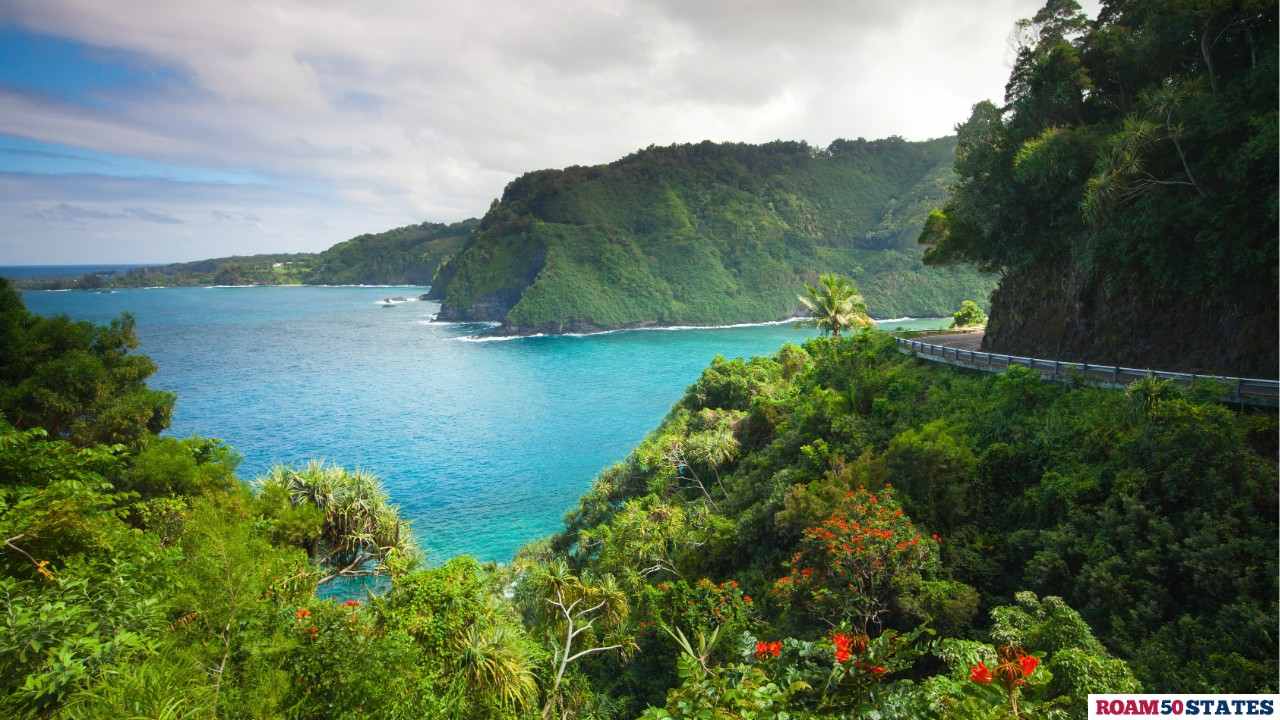
National Parks in Hawaii: 2 Parks and Other NPS Sites

Hawaii is famous for its beaches, waterfalls, and tropical landscapes, but some of its most remarkable scenery lies inside its national parks. From active volcanoes and ancient lava fields to a vast volcanic crater above the clouds, these protected places reveal a different side of the Hawaiian Islands.
There are two officially designated national parks in Hawaii: Hawaiʻi Volcanoes National Park on the Island of Hawaiʻi, often called the Big Island, and Haleakalā National Park on Maui. Both offer outstanding outdoor experiences, but their landscapes and attractions are very different.
Hawaii also has other National Park Service sites, including historic parks, a national memorial, a historic trail, and important cultural landmarks. This guide covers both national parks in detail and introduces the other NPS sites worth knowing about.
National Parks in Hawaii at a Glance
The two national parks are located on separate Hawaiian islands, so visiting both requires travel between Maui and the Big Island.
| National Park | Island | Best Known For | Best For |
|---|---|---|---|
| Hawaiʻi Volcanoes National Park | Big Island | Kīlauea, Mauna Loa, lava fields, and volcanic landscapes | Volcanoes, geology, hiking, and scenic drives |
| Haleakalā National Park | Maui | Haleakalā summit, volcanic crater, and sunrise views | Sunrise, hiking, high-elevation landscapes, and waterfalls |
1. Hawaiʻi Volcanoes National Park
Best for exploring active volcanic landscapes, lava formations, rainforest trails, and dramatic coastal scenery.
Hawaiʻi Volcanoes National Park is on the southeastern side of the Big Island. It protects the summits of Kīlauea and Mauna Loa, two of the world’s most active volcanoes.
The park stretches from near sea level to 13,680 feet and includes a remarkable range of environments. You can explore volcanic craters, walk through a rainforest, visit a lava tube, and follow roads across landscapes shaped by ancient and recent volcanic activity.
The park is also a UNESCO World Heritage Site and an International Biosphere Reserve. Its natural and cultural landscapes make it one of the most distinctive national parks in the United States. (National Park Service)
Best Things to Do in Hawaiʻi Volcanoes National Park
There is more to this park than viewing a volcano. Its scenic roads, hiking trails, geological features, and cultural sites make it worth exploring at a relaxed pace.
Visit Kīlauea Overlooks
Kīlauea is one of the main attractions in the park. Its summit area offers views of the volcanic caldera and surrounding landscape.
Visit the designated overlooks for a closer look at the scale of the crater. Conditions and visibility change with weather and volcanic activity, so check the park’s current alerts before planning your visit.
One important point: visible lava is not guaranteed. Eruptions are natural events, and their timing and viewing locations can change. Do not plan a trip around an assumption that you will see flowing lava.
Hike the Kīlauea Iki Trail
Kīlauea Iki is one of the park’s most memorable hikes. The trail descends through rainforest before reaching the hardened lava lake created by the 1959 eruption.
The standard loop from Kīlauea Iki Overlook is approximately 3.3 miles and takes about two to three hours. The route is rated moderate to challenging, with a descent and climb of roughly 400 feet.
Expect uneven ground and changing weather. Bring water, sturdy footwear, sun protection, and rain gear. Parking at the overlook can be limited, particularly during busy periods. (NPS hiking information)
Walk Through Nāhuku, the Thurston Lava Tube
Nāhuku, also known as Thurston Lava Tube, is a volcanic passage formed by flowing lava.
A short rainforest walk leads to the tube, where you can see the structure created as molten lava once moved through the ground. The route offers a different perspective on the volcanic processes that shaped the island.
The lava tube is lit from 8 a.m. to 8 p.m. Other hazards include low ceilings, uneven surfaces, and falling rocks. Avoid touching the walls or hanging roots because these fragile environments need protection. (NPS Nāhuku guide)
See the Steam Vents and Sulphur Banks
Steam Vents and Sulphur Banks show the continuing geothermal activity beneath the park.
At Steam Vents, groundwater becomes heated by volcanic rock and rises as steam. Nearby Sulphur Banks features mineral deposits created by volcanic gases.
Stay on designated paths and follow all warning signs. Volcanic gases can be hazardous, and visitors should avoid restricted areas.
Drive Chain of Craters Road
Chain of Craters Road is one of the park’s major scenic drives. It takes visitors from the volcanic summit area toward the coast, passing lava landscapes and different geological formations.
At the end of the road, you can visit Hōlei Sea Arch. This natural rock formation rises from the coastal cliffs above the Pacific Ocean.
The arch is a temporary geological feature that will eventually collapse as the coastline continues to change. Stay within designated viewing areas because the surrounding cliffs can be unstable. (NPS Hōlei Sea Arch guide)
Explore the Kahuku Unit
The Kahuku Unit is a separate part of Hawaiʻi Volcanoes National Park, located along Highway 11 south of the main entrance area.
It offers a different landscape, with volcanic features, native ecosystems, hiking opportunities, and a history connected to ranching and Hawaiian traditions.
Check its operating schedule before visiting. The NPS currently lists it as open Thursday through Sunday, from 8 a.m. to 4 p.m., and closed Monday through Wednesday. (NPS basic information)
How Much Time Do You Need at Hawaiʻi Volcanoes National Park?
Allow at least one full day to explore the main visitor areas, scenic overlooks, and a few short trails.
Two days are better if you want to hike Kīlauea Iki, explore Chain of Craters Road, visit the Kahuku Unit, and spend more time learning about the park’s geology and cultural history.
How to Reach Hawaiʻi Volcanoes National Park
The park is on the Big Island and is accessible by road.
- From Hilo: Approximately 30 miles southwest, around 45 minutes by car.
- From Kailua-Kona: Approximately 96 miles southeast, around two to two and a half hours by car.
A rental car is the most practical way to explore the park because its main attractions are spread across a large area. Check road conditions and current closures before setting out. (NPS directions)
Where to Stay Near Hawaiʻi Volcanoes National Park
Volcano Village is a convenient base for visitors who want to spend more time around the park entrance and summit area.
Hilo is another practical option, particularly if you want restaurants, shops, and other services nearby. Visitors staying in Kailua-Kona should allow considerably more driving time to reach the park. Learn more about the best accommodation options in Hawaii, recommended by our expert travelers.
2. Haleakalā National Park
Best for spectacular sunrise views, volcanic hiking trails, mountain scenery, and tropical rainforest.
Haleakalā National Park is on the island of Maui. Its name is commonly translated as “House of the Sun,” and the park is best known for the vast volcanic landscape surrounding its summit.
The summit reaches approximately 10,023 feet above sea level. From here, visitors can look across a dramatic landscape of volcanic cinder formations, rugged slopes, and changing cloud patterns.
The park also protects native Hawaiian plants, birds, and culturally important places. Its landscapes range from the dry summit region to the lush coastal environment of the Kīpahulu District. (National Park Service)
Best Things to Do in Haleakalā National Park
Haleakalā offers two very different visitor experiences. The Summit District is known for its high-elevation landscapes, while Kīpahulu is famous for rainforest trails, waterfalls, and coastal scenery.
Watch the Sunrise at Haleakalā Summit
Sunrise at Haleakalā is one of Maui’s most popular experiences.
Visitors travel to the summit before dawn to watch the first light spread across the crater and surrounding clouds. The high elevation creates a landscape that feels very different from the tropical beaches below.
However, planning is essential. A sunrise reservation is required for vehicles entering the Summit District between 3 a.m. and 7 a.m.
The reservation costs $1 per vehicle and must be obtained online through Recreation.gov. The NPS releases reservations up to 60 days in advance, with an additional portion released two days before the visit. The reservation is separate from the park entrance fee.
Reservations are date-specific and are not refunded or exchanged because of weather. Clouds and changing conditions can affect visibility, so a spectacular sunrise cannot be guaranteed. (NPS sunrise reservations)
Explore the Haleakalā Summit Crater
The summit area has a striking volcanic landscape with cinder cones, rocky slopes, and a large crater-like depression.
Visitors can stop at designated overlooks or explore the area’s hiking trails. The Summit District has more than 30 miles of hiking trails, ranging from short walks to longer backcountry routes.
One of the best-known options is the Keoneheʻeheʻe Trail, also called Sliding Sands Trail. It descends into the volcanic landscape and provides close views of the crater environment.
Remember that hiking at this elevation is more demanding than many visitors expect. The thinner air can make strenuous activity difficult, especially on uphill sections. (NPS hiking information)
Visit the Kīpahulu District
The Kīpahulu District is on Maui’s eastern coast, approximately 12 miles past Hāna along the Hāna Highway.
This part of Haleakalā National Park has a very different atmosphere from the summit. Expect green valleys, rainforest vegetation, coastal scenery, streams, and waterfalls.
It is an excellent area for visitors who want to experience the natural diversity of Maui beyond its beaches and resort communities. (NPS Kīpahulu guide)
Hike the Pīpīwai Trail
Pīpīwai Trail is one of the most rewarding hikes in the Kīpahulu District.
The trail passes through tropical vegetation and a bamboo forest before reaching the viewing area for Waimoku Falls. The waterfall drops approximately 400 feet down a steep rock face.
The trail is about four miles round trip, with an elevation gain of approximately 800 feet. The bamboo forest appears roughly one mile into the hike.
Wear sturdy footwear and allow enough time for the return journey. Trail conditions can be wet, and visitors should follow any posted closures. (NPS hiking information)
See the Pools of ʻOheʻo
The Pools of ʻOheʻo, also known as the Seven Sacred Pools, are located in the Kīpahulu District.
The pools and surrounding landscape are beautiful, but access and swimming conditions can change because of flash floods, strong currents, and other natural hazards.
At the time of this guide’s latest check, entry into the pools was not permitted. Visitors could view the area safely from Kūloa Point Trail. Always check current park alerts before visiting. (NPS park conditions)
How Much Time Do You Need at Haleakalā National Park?
Plan at least one day for the Summit District if you want to watch the sunrise, visit the overlooks, and explore a short hiking trail.
The Kīpahulu District deserves a separate outing, particularly if you plan to hike Pīpīwai Trail or explore the area along the Hāna Highway.
Do not assume you can comfortably visit both districts in a short morning trip. They are separate areas of the park and require substantial driving between them.
How to Reach Haleakalā National Park
Haleakalā National Park is on Maui. The Summit District is reached by road from central Maui, while the Kīpahulu District is reached along the Hāna Highway.
A rental car is useful for visiting both areas. Check road and weather conditions before leaving, especially if you plan to drive to the summit before sunrise or continue beyond Hāna.
Where to Stay Near Haleakalā National Park
Visitors usually choose accommodation based on which part of the park they plan to explore.
Kīhei, Wailea, and other parts of South Maui can work well for a summit visit. Those planning to explore the eastern side of the island may prefer staying closer to Hāna or allowing additional time for the drive.
Other National Park Service Sites in Hawaii
Hawaii has several additional federally protected places that preserve its history, culture, and natural heritage.
The two national parks are not the only places managed by the National Park Service in Hawaii. The state has seven other NPS sites with different designations.
These include national historical parks, a historic site, a national memorial, and a historic trail. They are not additional national parks, but many are worthwhile stops for travelers interested in Hawaiian culture and history. (NPS Hawaii parks list)
| National Park Service Site | Island | What Makes It Important |
| Ala Kahakai National Historic Trail | Big Island | A historic coastal trail corridor preserving traditional Hawaiian routes and cultural landscapes |
| Honouliuli National Historic Site | Oʻahu | Preserves the history of a World War II-era incarceration camp |
| Kalaupapa National Historical Park | Molokaʻi | Remembers the history of people forcibly isolated because of Hansen’s disease |
| Kaloko-Honokōhau National Historical Park | Big Island | Protects traditional Hawaiian settlement areas, fishponds, and coastal resources |
| Pearl Harbor National Memorial | Oʻahu | Commemorates the December 7, 1941, attack on Pearl Harbor |
| Puʻuhonua o Hōnaunau National Historical Park | Big Island | Preserves an ancient Hawaiian place of refuge |
| Puʻukoholā Heiau National Historic Site | Big Island | Protects an important historic Hawaiian temple associated with Kamehameha I |
1. Ala Kahakai National Historic Trail
Island: Hawaiʻi Island (Big Island)
Ala Kahakai National Historic Trail is a historic coastal trail corridor that follows parts of Hawaii’s shoreline. Its name means “shoreline trail” in Hawaiian. The route connects traditional Hawaiian communities, ancient pathways, cultural sites, and coastal landscapes that reflect centuries of life on the islands.
Visitors can explore accessible sections of the trail to experience Hawaii’s coastal scenery and learn about traditional Hawaiian travel and settlement patterns. Access varies by section, and some areas cross private land or culturally sensitive locations, so travelers should follow posted restrictions.
2. Honouliuli National Historic Site
Island: Oʻahu
Honouliuli National Historic Site preserves the history of the Honouliuli incarceration camp, which operated during World War II. The camp held Japanese Americans and other people classified as enemy aliens, as well as prisoners of war. Japanese Americans were incarcerated without individual findings of disloyalty, reflecting the broader wartime injustice experienced by their communities.
The site is important for understanding wartime incarceration in Hawaii and the impact of government decisions on civil liberties. Its historical landscape helps preserve the stories of people who experienced confinement during the war. Public access and visitor opportunities may be limited, so check current National Park Service information before planning a visit.
3. Kalaupapa National Historical Park
Island: Molokaʻi
Kalaupapa National Historical Park preserves the history and landscape of the Kalaupapa settlement, where people affected by Hansen’s disease, historically called leprosy, were forcibly isolated beginning in the nineteenth century. Many residents experienced separation from their families and communities for decades.
The park honors the lives, resilience, and experiences of residents, including those who built a community under difficult circumstances. It also recognizes the work of people who cared for patients, including Saint Damien and Saint Marianne Cope. Access to the remote peninsula is restricted and subject to current park rules, permits, and local requirements. Visitors should verify access arrangements before making travel plans.
Important access update: As of November 1, 2026, the NPS has temporarily paused future public tours while reassessing visitor access. Do not plan a visit without checking the latest official guidance. (NPS Kalaupapa visitor update)
4. Kaloko-Honokōhau National Historical Park
Island: Hawaiʻi Island (Big Island)
Kaloko-Honokōhau National Historical Park protects an important coastal area that reveals how Native Hawaiians lived with and managed their environment. Its cultural features include traditional fishponds, fish traps, stone walls, and remnants of settlements that supported coastal communities.
The park also protects beaches, wetlands, and habitat used by native wildlife, including Hawaiian green sea turtles. Visitors can explore designated trails, view historic structures, and learn how traditional fishing and resource management supported life on the island. Follow wildlife-viewing rules and keep a respectful distance from turtles and other animals.
5. Pearl Harbor National Memorial
Island: Oʻahu
Pearl Harbor National Memorial commemorates the Japanese attack on Pearl Harbor on December 7, 1941, which brought the United States into World War II. The memorial helps visitors understand the attack’s historical consequences and remember the military personnel and civilians affected by it.
The site includes the USS Arizona Memorial, which stands above the remains of the battleship sunk during the attack. Visitors can learn about the events of that day through historical exhibits, interpretive programs, and memorial experiences. Boat transportation to the USS Arizona Memorial is subject to availability and operating conditions, so check the official National Park Service website for current arrangements.
6. Puʻuhonua o Hōnaunau National Historical Park
Island: Hawaiʻi Island (Big Island)
Puʻuhonua o Hōnaunau National Historical Park preserves a traditional Hawaiian place of refuge. Under the former Hawaiian system of laws and customs, certain people who reached a recognized place of refuge could receive protection from punishment, provided they followed the applicable customs and requirements.
The park contains historic structures, reconstructed features, stone walls, and a coastal landscape that help explain traditional Hawaiian spiritual beliefs and social organization. Visitors can walk through designated areas, view cultural features, and learn about the significance of puʻuhonua in Hawaiian society. Treat the site with respect because it holds deep cultural and historical meaning.
7. Puʻukoholā Heiau National Historic Site
Island: Hawaiʻi Island (Big Island)
Puʻukoholā Heiau National Historic Site protects a major Hawaiian temple built under the direction of Kamehameha I in the late eighteenth century. The temple played an important role in the political and religious events associated with Kamehameha’s efforts to unite the Hawaiian Islands under his rule.
The site provides insight into traditional Hawaiian religious practices, leadership, and the period of political change that shaped the Hawaiian Kingdom. Visitors can view the historic temple from designated areas and explore interpretive displays explaining its significance. The temple itself is a sacred cultural site, so visitors should observe posted boundaries and respect access restrictions.
How Much Does It Cost to Visit National Parks in Hawaii?
Both official national parks charge entrance fees, and an annual pass may be useful if you plan to visit several protected sites.
The standard entrance fees currently listed by the National Park Service are the same at Hawaiʻi Volcanoes and Haleakalā National Parks.
| Admission Type | Current Fee |
| Private vehicle | $30 |
| Motorcycle | $25 |
| Individual entering on foot or bicycle | $15 |
| Hawaiʻi Tri-Park Annual Pass | $55 |
The Hawaiʻi Tri-Park Annual Pass covers entrance to Hawaiʻi Volcanoes National Park, Haleakalā National Park, and Puʻuhonua o Hōnaunau National Historical Park for its one-year validity period.
If you plan to visit only one national park once, a standard entrance pass may be sufficient. If your itinerary includes all three parks covered by the Tri-Park pass, compare the pass price with the separate entrance fees.
Fees can change, so confirm current prices on the NPS entrance fee pages before your trip. (NPS pass information)
Plan Your USA Trip Budget!
Estimate your travel costs before you go. Use our free USA Travel Budget Calculator to plan your accommodation, food, transportation, activities, and other trip expenses.
Use USA Travel Budget CalculatorWhich National Park in Hawaii Should You Visit?
The best choice depends on the scenery and activities you want to experience.
Both parks are worth visiting, but they offer different experiences.
| Your Travel Interest | Best Choice | Why |
| Active volcanic landscapes | Hawaiʻi Volcanoes | Explore Kīlauea, lava fields, and volcanic features |
| Sunrise above the clouds | Haleakalā | Famous high-elevation sunrise views |
| Volcanic hiking | Both | Different trails and geological environments |
| Rainforest and waterfalls | Haleakalā | Kīpahulu’s rainforest and Pīpīwai Trail |
| Lava tubes | Hawaiʻi Volcanoes | Walk through Nāhuku |
| Scenic coastal drives | Hawaiʻi Volcanoes | Chain of Craters Road |
| High-altitude landscapes | Haleakalā | Summit views and volcanic crater terrain |
| Hawaiian history and culture | Both | Cultural landscapes and historic places |
My recommendation: Travelers visiting the Big Island should prioritize Hawaiʻi Volcanoes National Park. Visitors, who want to stay in Maui, should make time for Haleakalā. If your schedule and budget allow, visiting both gives you a much broader understanding of Hawaii’s volcanic landscapes.
Can You Visit Both National Parks in One Hawaii Trip?
Yes. You can visit both national parks during one Hawaii vacation, but they are on separate islands.
Hawaiʻi Volcanoes National Park is on the Big Island, while Haleakalā National Park is on Maui. You will need an inter-island flight to travel between them.
A practical plan is to spend one or two days on the Big Island exploring Hawaiʻi Volcanoes National Park, then travel to Maui for a separate day at Haleakalā’s Summit District. Add another day on Maui if you want to explore Kīpahulu and Pīpīwai Trail.
Trying to rush both parks into a very short itinerary can make the experience unnecessarily tiring.
Best Time to Visit National Parks in Hawaii
Both parks are open year-round, but weather and elevation can affect your experience.
Hawaii’s tropical climate does not mean every park area is warm and sunny. Elevation, trade winds, and local geography create different conditions across the islands.
At Hawaiʻi Volcanoes National Park, the summit area can be rainy and chilly at any time of year. Temperatures at the Kīlauea summit may be 12 to 15 degrees cooler than at sea level.
At Haleakalā, the summit is much colder than Maui’s coastal resort areas. Wind, clouds, and sudden weather changes can affect sunrise viewing and hiking.
For the best experience:
- Visit early in the day for cooler hiking conditions.
- Keep flexible plans for sunrise because clouds can affect visibility.
- Check trail and road alerts before leaving.
- Carry rain protection at Hawaiʻi Volcanoes.
- Bring warm layers for Haleakalā’s summit.
- Allow extra time during periods of heavy rain or poor visibility.
There is no single month that guarantees ideal conditions at both parks. Check the forecast for the specific district you plan to visit rather than relying only on the weather forecast for your hotel or beach town.
Important Tips for Visiting National Parks in Hawaii
A little preparation can make a significant difference, especially in remote or high-elevation areas.
1. Check Current Park Alerts
Volcanic activity, weather, road work, trail damage, and other conditions can affect access. Check the official NPS alerts before leaving your accommodation.
2. Dress for Different Elevations
Beach clothing is not enough for a summit visit. Pack a warm jacket, long pants, and rain protection for cooler and windier conditions.
3. Bring Water and Food
Food, supplies, and gas are not available in many remote park areas. This is especially important when visiting the Kīpahulu District. Fill your vehicle before leaving and carry enough water and food for your outing.
4. Prepare for High Elevation at Haleakalā
The summit sits above 10,000 feet. Strenuous hiking can be more difficult because of the lower oxygen level. Take your time, recognize symptoms such as dizziness or shortness of breath, and choose a trail suited to your fitness.
5. Stay on Marked Trails
Hawaii’s ecosystems are fragile. Stay on designated trails, follow closures, and avoid walking across unstable lava fields.
6. Respect Hawaiian Cultural Sites
These parks protect more than scenic landscapes. They preserve places connected to Native Hawaiian history, culture, and living traditions.
Do not remove rocks or cultural objects, climb on historic structures, or create new rock stacks. Follow park signs and respect restricted areas.
7. Do Not Assume You Will See Flowing Lava
Volcanic activity changes over time. Check current NPS and USGS updates for eruption information and approved viewing locations. Never approach active lava or cross safety barriers.
Official Resources for Planning Your Visit
Use these National Park Service resources to confirm access, fees, reservations, and current conditions before your trip.
- Hawaiʻi Volcanoes National Park for trails, park alerts, eruption viewing, and visitor information.
- Haleakalā National Park for Summit and Kīpahulu District information.
- Haleakalā Sunrise Reservations for advance sunrise booking.
- NPS Hawaii Park Directory for the state’s National Park Service sites.
- NPS Entrance Fees for current admission prices.
Conclusion
Hawaii has two official national parks, and each offers a distinctive way to experience the islands. Hawaiʻi Volcanoes National Park reveals the power of volcanic landscapes, while Haleakalā National Park combines a dramatic summit crater with rainforest scenery and waterfalls.
Both deserve a place on a Hawaii itinerary, especially for travelers who want to explore beyond the beaches. Add the state’s historical parks and national memorials for a deeper understanding of Hawaiian culture and history.
Plan around the island you are visiting, check current park conditions, and give yourself enough time to experience each landscape without rushing.
Plan Your Hawaii Adventure
Find hotels, compare flights, discover exciting tours, arrange travel insurance, and rent a car for your next trip to Hawaii.
Some links on this page are affiliate links. If you book through them, Roam 50 States may earn a commission at no additional cost to you.
Frequently Asked Questions
How many national parks are in Hawaii?
Hawaii has two officially designated national parks: Hawaiʻi Volcanoes National Park on the Big Island and Haleakalā National Park on Maui. The state also has seven other National Park Service sites with designations such as national historical park, national historic site, national memorial, and national historic trail.
What are the two national parks in Hawaii?
The two national parks are Hawaiʻi Volcanoes National Park and Haleakalā National Park. The first is known for Kīlauea, Mauna Loa, lava formations, and volcanic landscapes. Haleakalā is famous for its summit crater, sunrise views, and rainforest trails.
Which Hawaiian island has a national park?
The Big Island has Hawaiʻi Volcanoes National Park, while Maui has Haleakalā National Park. Both islands also have other National Park Service sites or nearby historic attractions.
Is Pearl Harbor a national park?
Pearl Harbor is home to Pearl Harbor National Memorial, an NPS site on Oʻahu. It is a national memorial rather than an officially designated national park. The visitor center and museums are free to enter, but reservations are recommended for the USS Arizona Memorial program.
Do you need reservations to visit Haleakalā National Park?
You need an advance reservation if you plan to enter the Summit District between 3 a.m. and 7 a.m. to watch sunrise. The reservation costs $1 per vehicle and is made through Recreation.gov. Regular daytime visits do not require this sunrise reservation.
Can you see active lava at Hawaiʻi Volcanoes National Park?
Sometimes, but visible lava is not guaranteed. Eruptions and viewing conditions change, so check current updates from the National Park Service and USGS before planning a visit.
How much time do you need to visit Hawaiʻi Volcanoes National Park?
One full day is a good starting point for the main visitor areas, overlooks, and selected trails. Allow two days if you want to hike more extensively, explore Chain of Craters Road, and visit the separate Kahuku Unit.
Is Haleakalā National Park worth visiting?
Yes. Haleakalā offers a very different experience from Hawaii’s coastal attractions. Its high-elevation summit, volcanic crater, sunrise views, and Kīpahulu rainforest make it one of Maui’s most distinctive natural destinations.
Are national parks in Hawaii free?
No. Hawaiʻi Volcanoes and Haleakalā National Parks charge standard entrance fees. The National Park Service also offers a Hawaiʻi Tri-Park Annual Pass that covers these two parks and Puʻuhonua o Hōnaunau National Historical Park.
Author

Discover more from Roam 50 States
Subscribe to get the latest posts sent to your email.