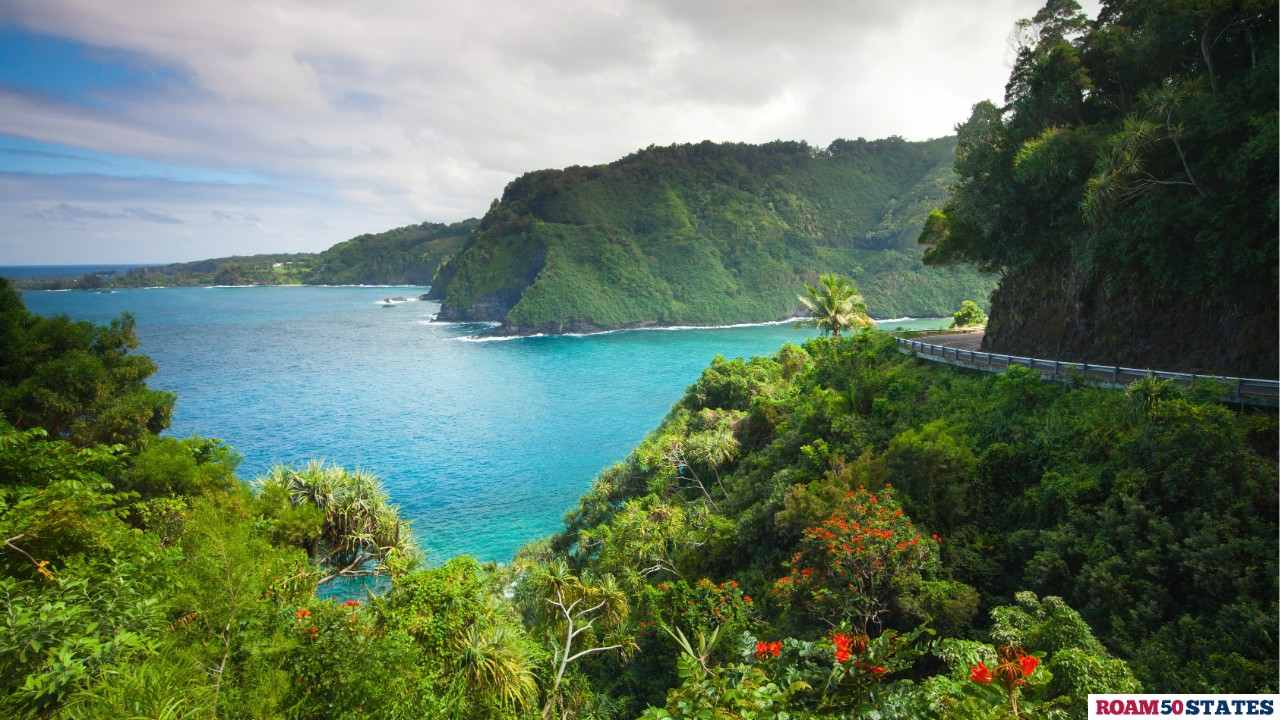
The 10 Best Places To Stay in Hawaii

Hawaii offers a unique mix of tropical landscapes, island culture, and world-class natural beauty, making it one of the most sought-after travel destinations in the United States. Each island has its own character, pace, and travel experience, which means choosing the right place to stay is just as important as choosing the island itself. Some areas place you close to famous beaches and resorts, while others offer quieter settings surrounded by nature, local communities, and scenic coastlines.
Where you stay in Hawaii shapes your entire trip, from daily activities and travel time to dining options and overall comfort. Understanding the differences between islands and key regions helps travelers find a location that fits their plans and allows them to explore Hawaii at its best.
Best Places to Stay in Hawaii
Below are the best places to stay in Hawaii, covering the most searched and travel-relevant locations across the islands.
Waikiki, Oahu

Waikiki is one of the most popular and best places to stay in Hawaii and remains a strong base for travelers visiting Oahu. The area sits along a long stretch of beach with views of Diamond Head and easy access to the ocean. Waikiki is known for convenience. Hotels, resorts, restaurants, shopping centers, and tour offices are all within walking distance. Public transportation makes it simple to reach Pearl Harbor, downtown Honolulu, and the North Shore. Accommodations range from affordable hotels to high-end beachfront resorts, making it suitable for many travel budgets. Waikiki stays lively throughout the day, with beach activities, cultural shows, and evening dining options. It works well for travelers who want comfort, walkability, and access to major attractions without long drives.
Pros and Cons of Staying inWaikiki, Oahu
Lahaina, Maui

Lahaina is one of the best places to stay in Maui, known for its charm and prime waterfront location. The place is a historic coastal town on Maui’s west side and a favorite place to stay for visitors who want balance. The area combines ocean access, walkable streets, and a relaxed town setting. Lahaina offers quick access to beaches, snorkeling spots, and boat tours, including whale watching during winter. Front Street is lined with restaurants, galleries, and local shops, making evenings pleasant without feeling overwhelming. Accommodations include boutique hotels, resorts, and vacation rentals. Lahaina also serves as a good base for exploring nearby areas like Kaanapali and Kapalua. Travelers staying here enjoy scenic views, cultural history, and convenient access to West Maui attractions.
Pros and Cons of Staying inLahaina, Maui
Kaanapali, Maui

Kaanapali is one of Maui’s top resort areas and a strong choice for travelers focused on beach time and comfort. The area features a long stretch of sandy beach backed by high-quality resorts and beachfront paths. Many hotels here offer direct beach access, pools, dining, and activities, reducing the need for daily driving. Snorkeling near Black Rock is a highlight, along with calm waters and sunset views. Whalers Village provides shopping and dining within walking distance. Kaanapali feels polished and organized, making it easy to relax and enjoy the coastline without logistical stress.
Pros and Cons of Staying in Kaanapali, Maui
Kailua-Kona, Big Island

Kailua-Kona is the main visitor hub on the Big Island, often regarded as the best island to visit in Hawaii for its incredible variety of landscapes and activities. This area offers oceanfront hotels, authentic local restaurants, and easy access to famous coffee farms and historic sites. Kona’s dry climate makes it perfect for snorkeling, beach relaxation, and watching breathtaking sunsets. Staying here allows travelers to explore both the stunning west coast beaches and inland wonders like Hawaii Volcanoes National Park. The town maintains a relaxed atmosphere while providing all essential services, shops, and tour operators for a seamless vacation experience.
Pros and Cons of Staying in Kailua-Kona, Big Island
Princeville, Kauai

Princeville sits on Kauai’s North Shore and is known for its dramatic scenery and peaceful setting. The area offers views of cliffs, green valleys, and the ocean. Many accommodations overlook Hanalei Bay, creating a calm and scenic stay. Princeville provides access to beaches, hiking trails, and scenic drives along the North Shore. Dining options are limited but focus on quality rather than nightlife. This area suits travelers who prefer nature, slower days, and scenic surroundings over busy tourist hubs.
Pros and Cons of Staying in Princeville, Kauai
Wailea, Maui

Wailea is also among the best places to stay in Hawaii and is known for luxury, comfort, and beautiful coastal scenery. Located on Maui’s south shore, Wailea features well-maintained beaches, calm waters, and a polished resort environment. Many of the island’s top resorts are concentrated here, offering beachfront access, golf courses, spas, and fine dining. The area feels relaxed and organized, with wide paths connecting beaches and resorts, making it easy to explore on foot. Wailea’s beaches are excellent for swimming and snorkeling, especially during calmer seasons. While it lacks a traditional town center, it makes up for it with quality services and scenic views. Wailea works best for travelers who value comfort, quiet surroundings, and resort-style amenities.
Pros and Cons of Staying in Wailea, Maui
Poipu, Kauai

Poipu is one of the best places to stay on Kauai, especially for travelers who want sunshine and easy beach access. Located on the island’s south shore, Poipu enjoys more consistent weather compared to the north. The area offers a mix of resorts, condos, and vacation rentals near family-friendly beaches. Poipu Beach Park is popular for swimming, snorkeling, and spotting sea turtles and monk seals. Restaurants, small shopping centers, and walking paths make the area convenient without feeling crowded. Poipu is also a good base for exploring Waimea Canyon and the island’s southern attractions. It suits travelers who want comfort, good weather, and a relaxed pace.
Pros and Cons of Staying Poipu, Kauai
Kapaa, Kauai

Kapaa is a central location on Kauai’s east side and offers a good balance between convenience and local life. It sits between the North and South Shores, making it a practical base for exploring the island. Kapaa has grocery stores, casual restaurants, coffee shops, and oceanfront paths. Accommodations range from budget-friendly hotels to condos and vacation rentals. The area feels more local and less resort-focused than Poipu or Princeville. While beaches here are better for walking than swimming due to stronger waves, Kapaa remains popular for travelers who want value and flexibility.
Pros and Cons of Staying in Kappa
Hilo, Big Island

Hilo offers a completely different side of Hawaii, focused on greenery, rainforests, and local culture. Located on the east side of the Big Island, Hilo experiences more rainfall, which keeps the landscape lush and vibrant. The town provides access to waterfalls, botanical gardens, and Hawaii Volcanoes National Park. Accommodations are generally more affordable, including small hotels and guesthouses. Hilo feels authentic and community-driven, with local markets and casual eateries. Beaches here are limited for swimming, but the area works well for travelers interested in nature and exploration rather than resort life.
Pros and Cons of Staying in Hilo, Big Island
Ko Olina, Oahu

Ko Olina is a planned resort area on Oahu’s west coast and offers a calm alternative to Waikiki. The area features man-made lagoons with calm waters, making it ideal for swimming and relaxing. Resorts here focus on comfort and privacy, with on-site dining and activities. Ko Olina feels quiet and organized, with fewer crowds than Honolulu, which is known as one of the best cities to visit in the USA. It is well-suited for travelers who want resort amenities without city noise. A car is helpful, as attractions and shopping centers are spread out.
Pros and Cons of Staying in Ko Olina, Oahu
Discover More At Roam50States!

Best Hotels in San Francisco: How to Choose the Right
Choosing the best hotel in San Francisco is about more than finding a room with a good rating. The neighborhood…


Best Free Things to Do in San Francisco
San Francisco is one of the best cities in California for travelers who want memorable experiences without spending a lot…


Best Things to Do in San Francisco for First-Time Visitors
Planning your first trip to San Francisco can feel overwhelming. The city has world-famous landmarks, historic neighborhoods, scenic parks, museums,…

Things to Do in San Francisco: 18 Best Attractions and
San Francisco is one of the most recognizable cities in the United States, known for its dramatic hills, historic cable…

New York State Fair 2026: Dates, Tickets & Travel Guide
The New York State Fair 2026, officially known as The Great New York State Fair, returns to Syracuse from August…


Hopkinton State Fair 2026: Dates, Tickets & Travel Guide
The Hopkinton State Fair 2026 returns to Contoocook, New Hampshire, from September 3 through September 7, 2026. Held over Labor…
Travel Tips for Staying in Hawaii

Helpful planning tips to make your island stay smoother and more enjoyable:
- Choose the Right Island: Each Hawaiian island offers a different experience. Oahu is lively and urban, Maui balances beaches and resorts, Kauai feels scenic and quiet, and the Big Island is vast with diverse landscapes.
- Book Accommodations Early: Hawaii has limited lodging inventory, especially in resort areas. Booking several months ahead helps secure better prices and preferred locations.
- Expect Resort Fees: Many hotels charge daily resort fees that are not always included in the listed price. Always check the final cost before booking.
- Rent a Car When Needed: Outside of Honolulu, public transportation is limited. A rental car provides flexibility and access to beaches, parks, and scenic drives.
- Stay Close to Key Attractions: Traffic and long distances can add up. Staying near the places you plan to visit saves time and reduces daily travel stress.
- Respect Local Culture: Hawaii values community, land, and tradition. Follow local rules, avoid trespassing, and treat residents and natural spaces with respect.
- Use Reef-Safe Sunscreen: Hawaii protects its coral reefs. Only reef-safe sunscreen is allowed, and using it helps preserve marine life.
- Understand Ocean Conditions: Beaches vary by season. Some areas have strong currents or high surf at certain times of the year, so always check local warnings.
- Shop Local for Food: Dining out can be expensive. Local markets and grocery stores help reduce costs while offering fresh island food.
- Plan Early Mornings: Popular beaches, trails, and viewpoints are quieter and more enjoyable early in the day before crowds arrive.
- Pack Smart: Light clothing, sun protection, water shoes, and a reusable water bottle are essential for island travel.
- Be Weather Flexible: Rain showers are often brief and localized. Don’t cancel plans too quickly, as conditions can change within minutes.
- Follow Hiking Safety Rules: Trails can be slippery and remote. Stick to marked paths and check weather conditions before hiking.
- Secure Valuables: Avoid leaving valuables in rental cars, especially near beaches and tourist areas.
- Support Local Businesses: Choosing local tours, shops, and restaurants enhances your experience and benefits the island communities.
Conclusion: Choosing the Best Places to Stay in Hawaii!
Hawaii offers a wide range of places to stay, each shaped by its island setting, local culture, and surrounding landscapes. From resort-lined beaches to quieter coastal towns and nature-focused communities, where you stay plays a major role in how you experience the islands. Choosing the right area helps balance comfort, travel time, activities, and overall enjoyment, allowing you to explore Hawaii at a pace that feels right.
Every island and region has its own strengths, and understanding those differences makes planning easier and more rewarding. With the right location as your base, Hawaii becomes more accessible, more relaxed, and more memorable.
Download this free guide on the best places to stay in Hawaii, compare top areas, find travel-friendly tips, and plan your stay with confidence. You can also explore related guides on island activities, travel tips, and seasonal planning to make the most of your time in Hawaii.
Hawaii Map
Frequently Asked Questions
Where are the best places to stay in Hawaii for first-time visitors?
Oahu and Maui are the most popular choices for first-time visitors, offering a balance of beaches, attractions, dining, and easy transportation.
What is the best island to stay on in Hawaii?
There is no single best island. Oahu suits city lovers, Maui is ideal for resorts and beaches, Kauai offers a quiet and scenic stay, and the Big Island features diverse landscapes.
Is it better to stay in a resort or a hotel in Hawaii?
Resorts offer convenience and amenities, while hotels and vacation rentals provide more flexibility and can be more affordable depending on location.
Which Hawaiian island is best for beaches?
Maui and Oahu are known for well-developed, accessible beaches, while Kauai and the Big Island offer more natural and less crowded coastlines.
Where should families stay in Hawaii?
Wailea, Ko Olina, and Poipu are family-friendly areas with calm beaches, resorts, and nearby attractions suitable for all ages.
What are the most affordable places to stay in Hawaii?
Hilo, Kapaa, and parts of Waikiki typically offer better value compared to luxury resort areas.
Is it necessary to rent a car in Hawaii?
Yes. Renting a car is recommended on most islands, especially outside Honolulu, to explore beaches and attractions easily.
What area in Hawaii has the best nightlife?
Waikiki and Downtown Honolulu offer the most nightlife, dining, and entertainment options.
Where should couples stay in Hawaii?
Wailea, Hanalei Bay, and the Kohala Coast are popular with couples for romantic settings, scenic views, and upscale accommodations.
How many days should you stay in Hawaii?
A stay of 7 to 10 days allows enough time to explore one island comfortably or split time between two islands.
Is it better to stay on one island or island-hop?
Staying on one island provides a more relaxed experience, while island-hopping suits travelers with extra time and flexible schedules.
What is the best time of year to visit Hawaii?
April to June and September to early December offer pleasant weather, fewer crowds, and better travel deals.
Are vacation rentals legal in Hawaii?
Yes, but regulations vary by island and neighborhood. Travelers should ensure rentals are properly licensed and compliant.
Which side of the island should I stay on in Hawaii?
Leeward sides are typically drier and sunnier, while windward sides are greener with more rainfall.
Can you stay in Hawaii without a resort?
Yes. Many travelers choose boutique hotels, vacation rentals, or local guesthouses for a more authentic experience.
Author

Discover more from Roam 50 States
Subscribe to get the latest posts sent to your email.