A Complete Guide On What is the Best Time to Visit Alaska

Alaska is a land of extremes. Towering glaciers, endless summer daylight, and winter nights lit by the Northern Lights make it unlike anywhere else in the United States. For travelers, the big question is simple: When is the best time to visit Alaska?
The truth is, there isn’t just one answer. The “best” time depends on what you want to see and do. Summer offers wildlife and cruises under the midnight sun. Fall brings colorful landscapes and early auroras. Winter is magical for dog sledding and Northern Lights chasing. Spring is quieter, with snow melting into wildflower meadows.
This guide breaks Alaska down by months, experiences, and regions so you can plan the perfect trip. Whether it is a cruise along the Inside Passage, a hike in Denali National Park, or a winter journey to Fairbanks for the auroras.
Understanding Alaska’s Seasons
Alaska’s location at the top of the world makes its seasons unique. Days are incredibly long in summer and short in winter, and the weather can change quickly. Knowing what to expect helps you plan better.
- Summer (June–August): Warmest and busiest. Long days, open parks, wildlife everywhere.
- Fall (September–October): Cooler, colorful, fewer crowds. Good for auroras.
- Winter (November–February): Cold, dark, magical Northern Lights season.
- Spring (March–May): Melting snow, migrating birds, and awakening wildlife.
| Season | Avg. High / Low | Daylight | Highlights |
| Winter | 0–25°F / -15–10°F | 4–6 hrs | Auroras, dog sledding, skiing |
| Spring | 30–55°F / 20–35°F | 12–16 hrs | Wildlife, wildflowers, shoulder season prices |
| Summer | 55–75°F / 40–55°F | 18–24 hrs | Cruises, hiking, peak tourism |
| Fall | 35–55°F / 25–40°F | 10–14 hrs | Fall colors, auroras, fewer crowds |
Alaska Month-by-Month Travel Guide

Alaska is not a one-season destination. Every month offers something unique, from endless daylight in midsummer to the magic of the Northern Lights in winter. Here’s a detailed breakdown of what you can expect each month, so you can match your trip with the experiences you want most.
Alaska in January
- Weather: Bitterly cold, especially inland (-20°F/-29°C possible in Fairbanks). Coastal areas like Anchorage are milder but snowy.
- Daylight: 5 to 6 hours in Anchorage, just 3 to 4 in Fairbanks.
- Highlights: Prime Northern Lights season, quiet landscapes, winter sports like skiing and dog sledding. Anchorage hosts winter festivals and cultural events.
- Travel Tip: Pack extreme cold-weather gear. Days are short, so plan indoor attractions (museums, Alaska Native Heritage Center) alongside outdoor adventures.
Alaska in February
- Weather: Still deep winter, but slightly more daylight than January.
- Daylight: 8 hours in Anchorage, 6 to 7 in Fairbanks.
- Highlights: Anchorage Fur Rendezvous Festival, snowshoeing, cross-country skiing, and aurora viewing. Wildlife is less active, but landscapes are beautiful under the snow.
- Travel Tip: February offers fewer crowds, and airfare is often cheaper compared to peak summer.
Alaska in March
- Weather: Days are brighter, temps still below freezing inland.
- Daylight: 11 hours in Anchorage, 10 in Fairbanks.
- Highlights: The Iditarod Trail Sled Dog Race kicks off in Anchorage. Spring skiing is excellent. Northern Lights are still visible, but days are growing longer.
- Travel Tip: March is a sweet spot for winter sports and cultural events.
Alaska in April
- Weather: Transitional month, melting snow, temperatures in the 30s to 40s°F (-1 to 7°C).
- Daylight: 14 hours in Anchorage, 13 in Fairbanks.
- Highlights: Migratory birds return, and bears begin to emerge from hibernation. Rivers and lakes start thawing. Tourist crowds are still low.
- Travel Tip: Some remote lodges may remain closed, but April is budget-friendly and great for early wildlife viewing.
Alaska in May
- Weather: Spring in full swing, 40s to 60s°F (4 to 16°C).
- Daylight: 17 hours in Anchorage, 18 in Fairbanks.
- Highlights: Cruise season begins. Wildflowers bloom, Denali National Park opens, and moose calves are born. This is one of the driest months in Southcentral Alaska.
- Travel Tip: May combines great weather with lower prices than peak summer. It’s one of the best months to visit.
Alaska in June
- Weather: Warm, long days, 50s to 70s°F (10 to 24°C).
- Daylight: Nearly 20 hours in Anchorage; in Fairbanks, the sun barely sets.
- Highlights: Hiking, camping, fishing, and wildlife watching are at their best. Glaciers are accessible, and national parks are fully open.
- Travel Tip: Pack an eye mask as “midnight sun” makes it hard to sleep.
Alaska in July
- Weather: Warmest month, with coastal towns in the 60s to 70s°F (15 to 24°C).
- Daylight: Similar to June, you can see endless light in the Arctic Circle.
- Highlights: Peak salmon runs, prime bear viewing, whale watching, and full summer festivals. July is the busiest travel month.
- Travel Tip: Book everything (hotels, cruises, tours) at least 6 to 12 months ahead. Expect higher prices.
Alaska in August
- Weather: Still summer but cooler, 50s to 60s°F (10 to 18°C). Rain increases in coastal regions.
- Daylight: 16 hours in Anchorage, 15 in Fairbanks.
- Highlights: Salmon fishing remains strong, berry picking season begins, and wildlife stays active. Denali often has clearer views in late August.
- Travel Tip: Bring rain gear and waterproof shoes as showers are frequent.
Alaska in September
- Weather: Crisp, cool, 40s to 50s°F (4 to 12°C). Nights get chilly.
- Daylight: 12 hours in Anchorage, 11 in Fairbanks.
- Highlights: Stunning fall foliage, fewer crowds, and the return of the Northern Lights. Wildlife is active as bears fatten up for winter.
- Travel Tip: Many lodges and tours close mid-to-late September. Go early for the best mix of fall colors and open attractions.
Alaska in October
- Weather: Cold sets in, 30s to 40s°F (-1 to 7°C). Snow falls at higher elevations.
- Daylight: 9 hours in Anchorage, 8 in Fairbanks.
- Highlights: Aurora viewing improves, landscapes glow with late autumn colors, and it’s one of the quietest months for tourism.
- Travel Tip: Some towns become “off-season” quiet. Plan ahead for limited dining and lodging options.
Alaska in November
- Weather: True winter returns, 20s to 30s°F (-6 to 1°C). Snow blankets most areas.
- Daylight: 7 hours in Anchorage, 6 in Fairbanks.
- Highlights: Aurora viewing, early ski season, and winter festivals begin. A cozy, off-the-beaten-path time to visit.
- Travel Tip: Be ready for winter driving conditions if renting a car.
Alaska in December
- Weather: Coldest month in many regions, often below freezing.
- Daylight: 5 hours in Anchorage, just 3 to 4 in Fairbanks.
- Highlights: Magical holiday lights, Northern Lights, winter sports, and seasonal festivals. Great for those seeking a “winter wonderland” feel.
- Travel Tip: Dress in serious winter gear and plan short outdoor activities due to limited daylight.
Explore More On Roam50States

Best Luxury Hotels in San Francisco: 8 Exceptional Places to
San Francisco offers a range of luxury hotels, from historic landmarks on Nob Hill to contemporary properties with panoramic views…


Sunset Neighborhood in San Francisco: A Complete Visitor’s Guide
The Sunset neighborhood in San Francisco offers a different perspective on the city, with Pacific Ocean beaches, independent cafes, diverse…

Best Christmas Lights in the USA: 15 Magical Places to
The best Christmas lights in the USA can turn an ordinary winter evening into one of the most memorable parts…

Best Christmas Cities in the USA: 12 Festive Places to
The best Christmas cities in the USA bring together festive lights, decorated streets, Christmas markets, holiday performances, seasonal food, shopping,…

Best Christmas Towns in the USA: 12 Festive Places to
Christmas can transform a small American town into something completely different. Historic main streets fill with lights, local shops decorate…

Best Time to Visit San Francisco: Weather, Seasons & Monthly
The best time to visit San Francisco depends on what you want from your trip. If comfortable weather and outdoor…
Comparing Alaska’s Regions
Alaska’s sheer size means different regions offer unique seasonal highlights.
- Southcentral Alaska (Anchorage, Kenai Peninsula): The most accessible region, popular year-round. Summer is best for fishing and coastal cruises. Winter offers easy access to skiing and aurora chasing.
- Southeast Alaska (Inside Passage, Juneau, Sitka, Ketchikan): Known for cruises, glaciers, and temperate rainforest. May to September is best, though it’s one of the rainiest regions. Wildlife, including humpbacks, is abundant.
- Interior Alaska (Fairbanks, Denali National Park): Summers mean warm days, wildflowers, and excellent hiking in Denali. Winters are ideal for aurora viewing, with long dark nights.
- Arctic & Northern Alaska (Prudhoe Bay, Nome, Utqiaġvik): For adventurous travelers. Summer brings 24-hour daylight and chances to see migrating caribou. Winter offers extreme cold and incredible Northern Lights, but conditions can be challenging.
- Southwest Alaska (Katmai, Lake Clark, Aleutian Islands): Best known for bear viewing during summer salmon runs. Shoulder seasons see fewer visitors, but can be wet and rugged.
Best Time to Visit Alaska by Experience Type
Discover when to go for wildlife, cruises, northern lights, or adventure sports:
Wildlife Watching in Alaska
Summer is prime for spotting Alaska’s wildlife. From May to September, moose, bears, caribou, and mountain goats are active and easier to see. June and July are peak months for birdwatching, while late July to September is best for watching salmon runs that attract brown and black bears along rivers and streams.
Experience Northern Lights in Alaska
Aurora seekers should visit between late September and early April. Winter skies are darker and clearer, giving higher chances of sightings. Fairbanks, Denali, and the Brooks Range are top viewing areas. The best months are February and March, when nights are long but temperatures are a bit milder compared to deep winter.
Alaska’s Glacier Viewing
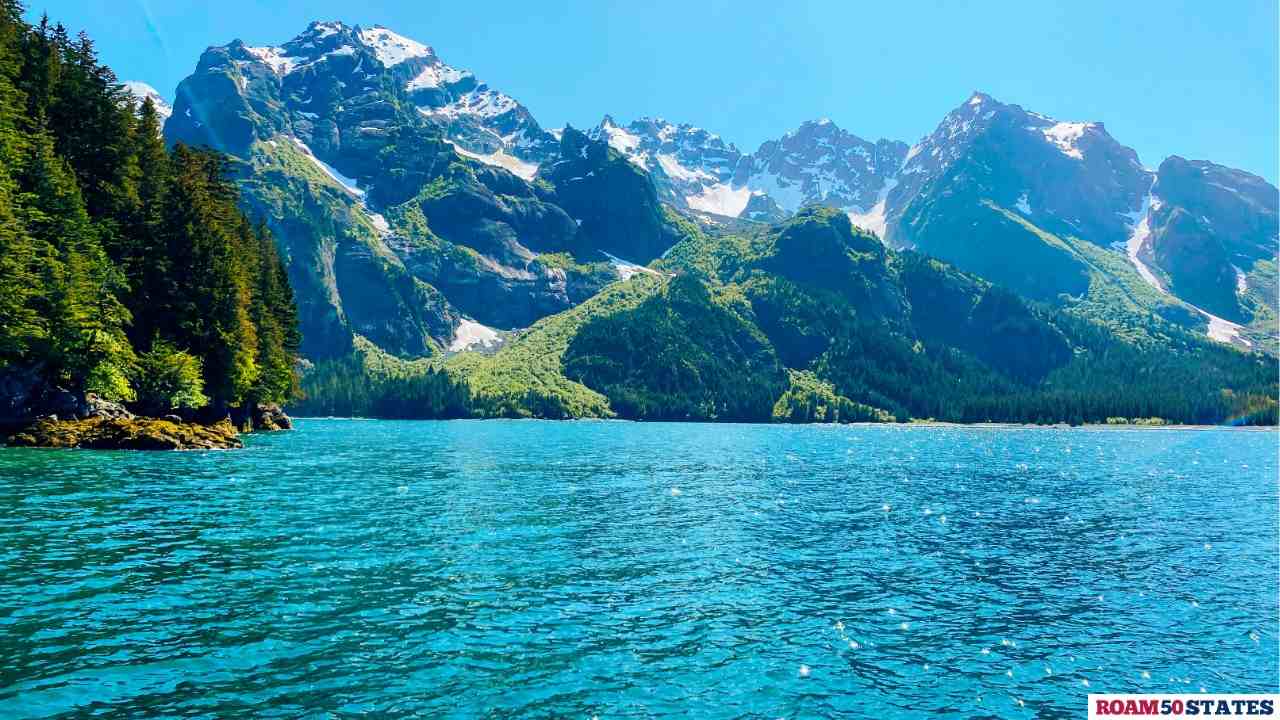
Glaciers can be viewed year-round, but summer offers the most accessible and scenic experiences. From May to September, cruises and flightseeing tours run daily, taking travelers close to tidewater glaciers like Hubbard, Columbia, and Glacier Bay. Late spring and early summer are ideal, as the ice is strikingly blue against the lush surroundings.
Cruises Season
Alaska’s cruise season runs from late April through September. The most popular months are June, July, and August when the weather is warmest, the days are longest, and wildlife activity is high. For fewer crowds and lower fares, May and September are excellent alternatives with bonus fall colors or spring blooms.
Hiking and Outdoor Adventure in Alaska
The hiking season stretches from mid-May to September. Trails are fully open by June, offering everything from alpine treks to forest paths. July and August provide peak conditions with warmer temperatures, wildflowers, and abundant daylight. September is cooler but rewards hikers with vibrant fall foliage.
Fishing in Alaska
Fishing in Alaska is seasonal and varies by species. King salmon runs peak in June and July, while silver salmon are best in August. Halibut fishing is excellent from May through September. For a complete fishing trip, July offers the widest variety of species in rivers and coastal waters.
Experience Winter Sports
For skiing, snowboarding, and dog sledding, the season runs from late November to early April. Alyeska Resort and backcountry trails are popular choices. February and March strike a balance with longer daylight and reliable snow, making them prime months for winter recreation.
Pro Travel and Safety Tips for Visiting Alaska

Stay safe and make the most of your trip with these expert Alaska travel tips:
Plan Around the Weather
Alaska’s climate is unpredictable, even in summer. A sunny day can quickly turn into cold rain, fog, or even snow in the mountains. Always pack layers, waterproof gear, and sturdy shoes so you can adjust to changing conditions.
Respect Wildlife from a Distance
Bears, moose, and other wild animals are common sights. While exciting, they can also be dangerous if approached. Keep binoculars handy, carry bear spray when hiking, and store food securely to avoid attracting wildlife.
Be Prepared for Remote Travel
Many destinations in Alaska are far from cities and medical facilities. Roads may be limited, and some areas are accessible only by boat or plane. Carry extra supplies, let someone know your plans, and consider travel insurance that covers remote evacuations.
Book Early in Peak Season
Summer is Alaska’s busiest travel season, especially June through August. Cruises, tours, and accommodations often sell out months in advance. Booking early not only secures your spot but can also save money.
Know the Daylight Hours
Daylight in Alaska changes dramatically by season. In June, you may have up to 20 hours of light, while in December, some areas see only a few hours of daylight. Plan your activities accordingly and bring an eye mask if you’re sensitive to light when sleeping.
Stay Connected Carefully
Cell service is limited outside of major towns. Download offline maps, keep a satellite GPS if venturing into the backcountry, and be prepared to go without internet in remote areas.
Pack Bug Protection
Mosquitoes in Alaska are legendary, especially in June and July. Bring strong repellent, wear long sleeves when outdoors, and consider a head net if you’re hiking or camping in mosquito-heavy areas.
Stay Safe on the Water
Whether kayaking near glaciers or taking a whale-watching trip, remember that Alaska’s waters are cold year-round. Always wear a life jacket and follow safety instructions from guides. Hypothermia can set in quickly if you fall into icy water.
Respect Local Communities
Alaska is home to many Indigenous communities with rich traditions and history. When visiting, support local businesses, follow cultural guidelines, and travel with respect for the land and its people.
Keep Flexibility in Your Plans
Weather, wildlife, and transportation can change your schedule at any time. Flights may be delayed, tours canceled, or ferries rescheduled. Building flexibility into your itinerary ensures you enjoy the journey without stress.
Conclusion
Alaska is a land of extremes, from endless summer daylight to magical winter nights filled with northern lights. The best time to visit depends on the kind of adventure you want, whether it’s cruising past glaciers, spotting wildlife in bloom, or exploring snowy landscapes under the aurora. By understanding the seasons, daylight hours, and travel conditions, you can plan a trip that matches your dream experience.
To make planning easier, we have prepared a free Alaska Travel Guide PDF that includes the month-by-month breakdown, packing tips, and pro safety advice. Download it, keep it on your phone, or print it out before your journey.
Frequently Asked Questions
What month is the best to visit Alaska?
June, July, and August are considered the best months to visit Alaska. The weather is warmer, wildlife is active, and most tours and attractions are open during this peak summer season.
When can you see the northern lights in Alaska?
The northern lights are most visible between late September and early April. Winter’s long nights give travelers the highest chance of seeing the aurora, especially in Fairbanks and Alaska’s Interior.
Is July a good time to go to Alaska?
Yes. July offers the warmest weather, up to 20 hours of daylight, and plenty of wildlife viewing opportunities. However, it is also the busiest and most expensive month, so book early.
When is the cheapest time to travel to Alaska?
May and September are shoulder seasons with lower prices on flights and hotels. You’ll also find fewer crowds, though some tours and lodges may have limited availability.
What is the coldest month in Alaska?
January is typically the coldest month in Alaska, with temperatures in Interior regions often dropping well below zero. Travel during this time requires proper winter gear and preparation.
Can you visit Alaska in the winter?
Yes. Winter in Alaska offers northern lights tours, dog sledding, skiing, and unique cultural festivals. Just be ready for very cold temperatures and shorter daylight hours.
Disclaimer: Information in this guide is based on research and may change due to weather, seasonal factors, or local conditions. Always confirm details with official sources before traveling.
Author

Discover more from Roam 50 States
Subscribe to get the latest posts sent to your email.